


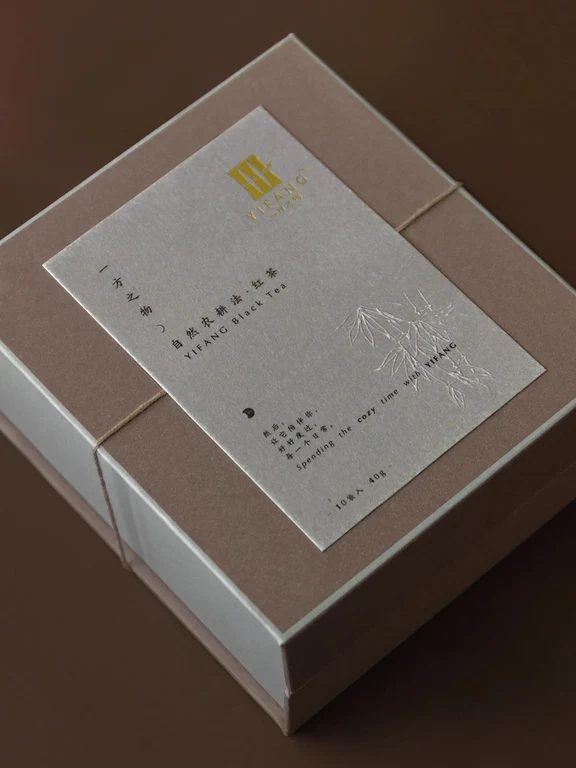
Bakery boxes need grease resistance on the food-facing side, a shallow structure that prevents stacking crush, and a window or print that sells the product. Water-based grease barriers keep the box recyclable; polyethylene lamination does not. Deeper boxes with loose items crush under their own weight.
A pastry box has an unfair job: it must be attractive enough to sell something already visible, strong enough to protect something fragile, and resistant to oil that will find every weakness in the board.
Most bakery packaging failures come from optimising one of those and ignoring the other two.
Oil migrates through paper quickly. A box without grease resistance shows translucent patches within hours, stains the outside within a day, and loses strength as the fibres absorb oil.
Three ways to stop it:
The choice is a cost and recyclability decision as much as a barrier one.
Pastries are fragile, and the damage usually happens in the stack, not in the drop. A deep box with loose items lets the contents settle; the weight of the boxes above compresses them.
The structural fix is a shallower box with a fitment: a corrugated or moulded pulp insert that holds each item separately and carries the stack load through the insert rather than the product.
That is also why bakery boxes are often wider and shallower than they look like they need to be — the shape is doing engineering work.
A window sells the product: customers buy pastry with their eyes. It also creates three problems — a plastic film that complicates recycling, a barrier gap, and a surface that fogs in a chilled display.
Three options:
For brands with a recycling claim, the printed image is often the honest choice.
Bakery packaging is bought in a shop, carried home, and often photographed. That means the box has to work in three contexts: on a shelf, in a hand, and on a table.
The details that matter are simple: a lid that opens without tearing, a base that does not bow when loaded, and a print that survives a greasy fingerprint. None of them are expensive; all of them are visible.
Bakery packaging carries mandatory information depending on the market: ingredients, allergens, net weight, best-before date and business details.
For loose bakery items sold in a shop, the label may be on the bag or the shelf rather than the box — but for pre-packed goods, it has to be on the pack. That copy needs a reserved panel, which is why so many bakery boxes have a printed back panel with a white block for a date label.
For a mid-volume bakery brand, a workable specification looks like this: 350 gsm FBB, water-based grease barrier on the inside, die-cut window with no film for fast-turnover items, a corrugated fitment for layer cakes, and a printed back panel with a date-code area.
That pack is recyclable, protects the product, and costs less than a laminated alternative with the same print quality.
Bakery packaging often spends its first hours in a chilled display case, where the temperature difference between the case and the room produces condensation on the box.
That moisture softens the board, fogs a film window and can mark the print. Three practical responses: choose a moisture-resistant board or coating, avoid film windows where the case is humid, and design the box so it does not sit directly on a cold shelf — a small base clearance helps.
A box that looks perfect in a photo studio and soft in a display case is a specification problem, not a design problem, and it is visible to every customer who picks it up.
Grease resistance and crush resistance are cheap at the design stage and impossible to add after the run.
Bakery products increasingly ship by courier: gift boxes, celebration cakes, mail-order pastries. A box designed for a shop counter rarely survives that journey.
If the product ships, the bakery box becomes a retail pack inside a shipper, and the fitment has to hold through a drop. Test the whole assembly, not the box alone, and size the shipper to the box rather than adding void fill.
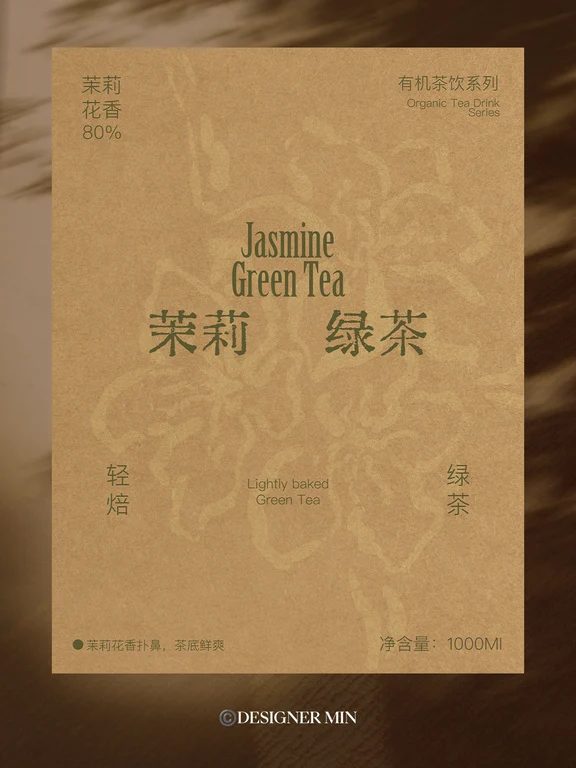
Bakery is seasonal: holiday boxes, gift sets, limited flavours. Seasonal packaging means short runs, late decisions and high tooling costs if each design needs a new die.
The practical answer is a standard box with a seasonal sleeve or label, which keeps tooling fixed and lets the design change every season without a new die.
Send a size, a quantity and a deadline. ForestPackage answers with a dieline, a board recommendation and a production calendar.
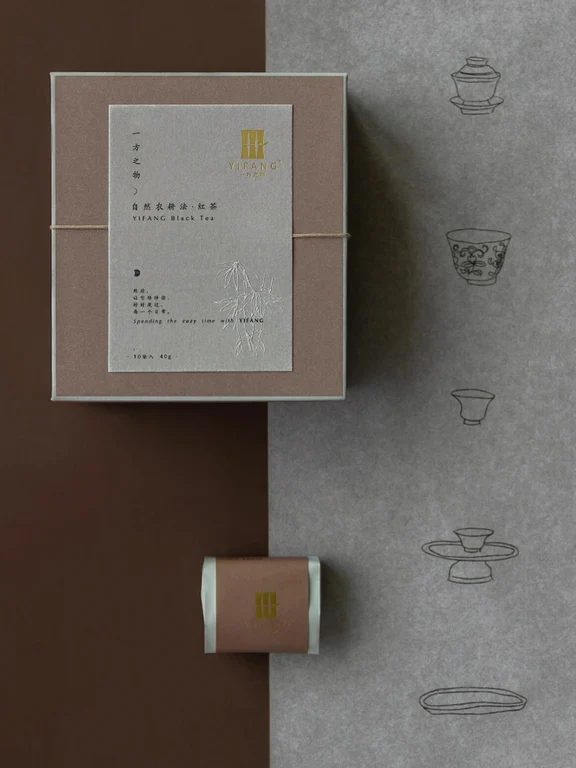
Grease resistance stops oil migrating through the board, which otherwise stains the outside of the box and weakens the paper. It is usually achieved with a fluoro-free coating or a laminated liner, and it is a food-contact requirement in many markets.
Structure, not padding: a shallower box with a corrugated or pulp insert holds each item separately and prevents the stack from compressing. A deeper box with loose items crushes itself under its own weight.
Yes, with water-based grease barriers rather than polyethylene lamination. The coating choice decides recyclability; a fluoro-free water-based barrier keeps the box in the paper stream in most markets.

Subscribe to our
Enter your email address and enjoy exclusive access to special offers and news.


