


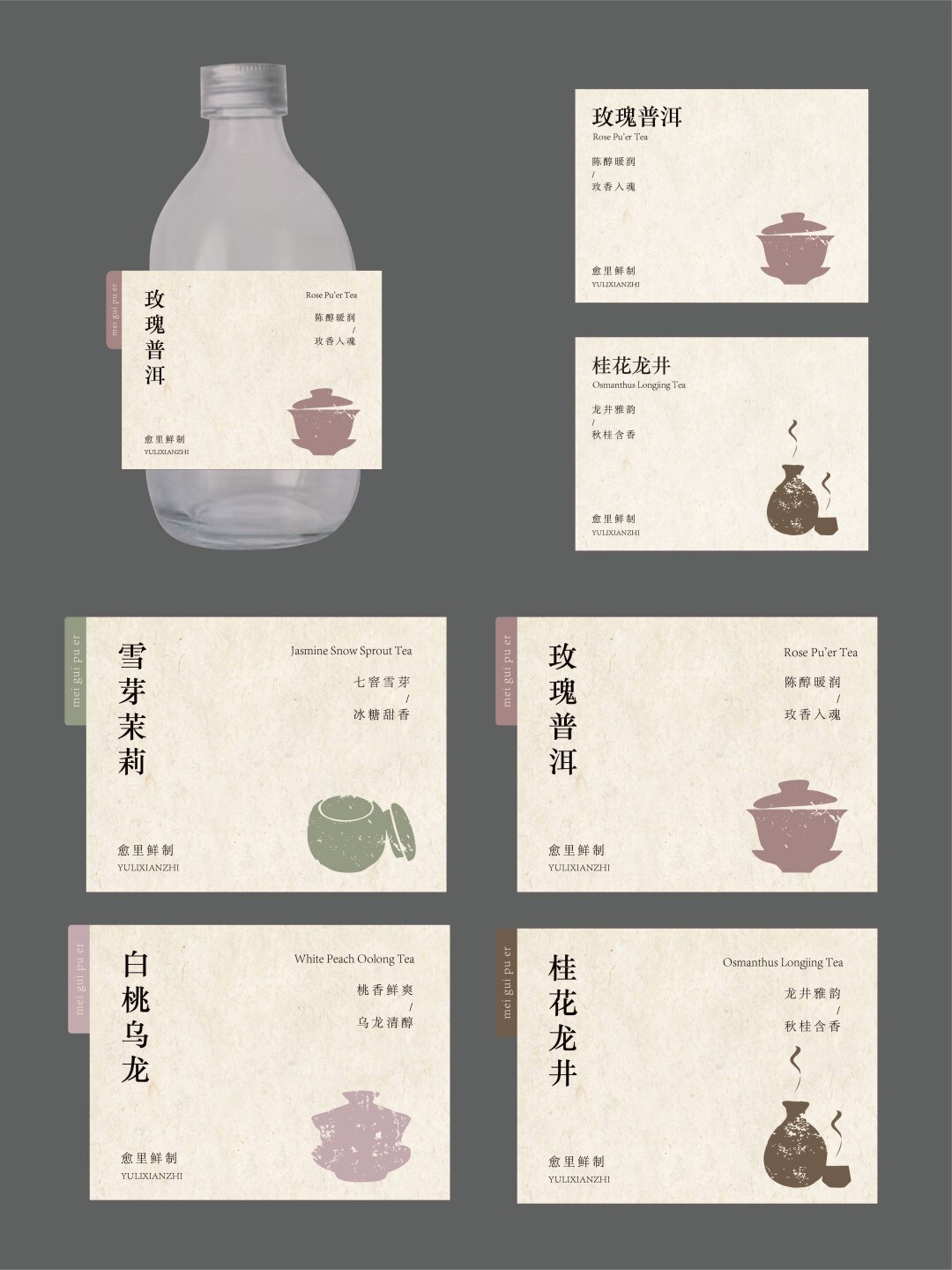
A tea box is judged on design and undone by moisture. For anything edible, the material spec is a shelf-life decision before it is a brand decision.
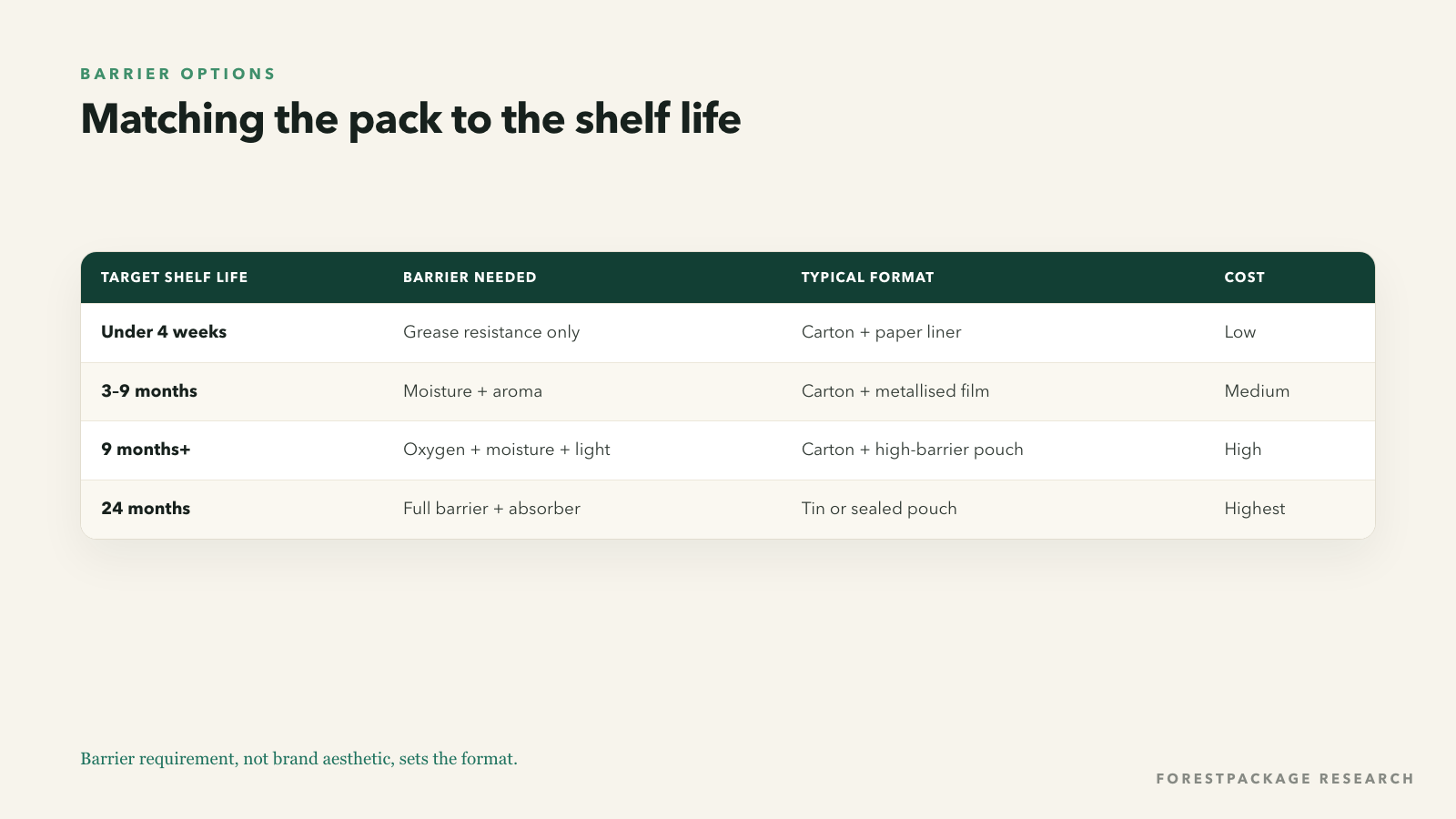
For anything edible, the pack format follows the shelf-life target, not the brand aesthetic. Paper is not a barrier: the carton carries the story and the pouch or liner does the preservation. Match moisture, oxygen, aroma and light protection to weeks, months or years before choosing a box.
Food packaging is the category where the aesthetics-first approach fails most expensively. A paper box is not a barrier: it breathes, it absorbs, it transmits aromas in both directions. For a brand selling tea, coffee, pastries or supplements, the carton is usually the second package — the one that carries the story — while the pouch or liner inside does the preservation work.
Understanding that division of labour changes both the design and the cost. It also prevents the most common and most avoidable complaint in the category: "it tasted stale after two weeks".
Moisture. Paperboard equilibrates with ambient humidity, and crisp or powdery products pick up moisture through it. A carton alone will not keep a biscuit crisp in a humid climate.
Oxygen. Fats and oils oxidise, which is what "rancid" means. Oxygen transmission is governed by the liner or pouch, not the box.
Aroma. Both directions matter: volatile compounds escape, and the pack absorbs smells from its environment — warehouse, van, storeroom.
Light. Some products degrade under UV. Opaque board protects; a window exposes.
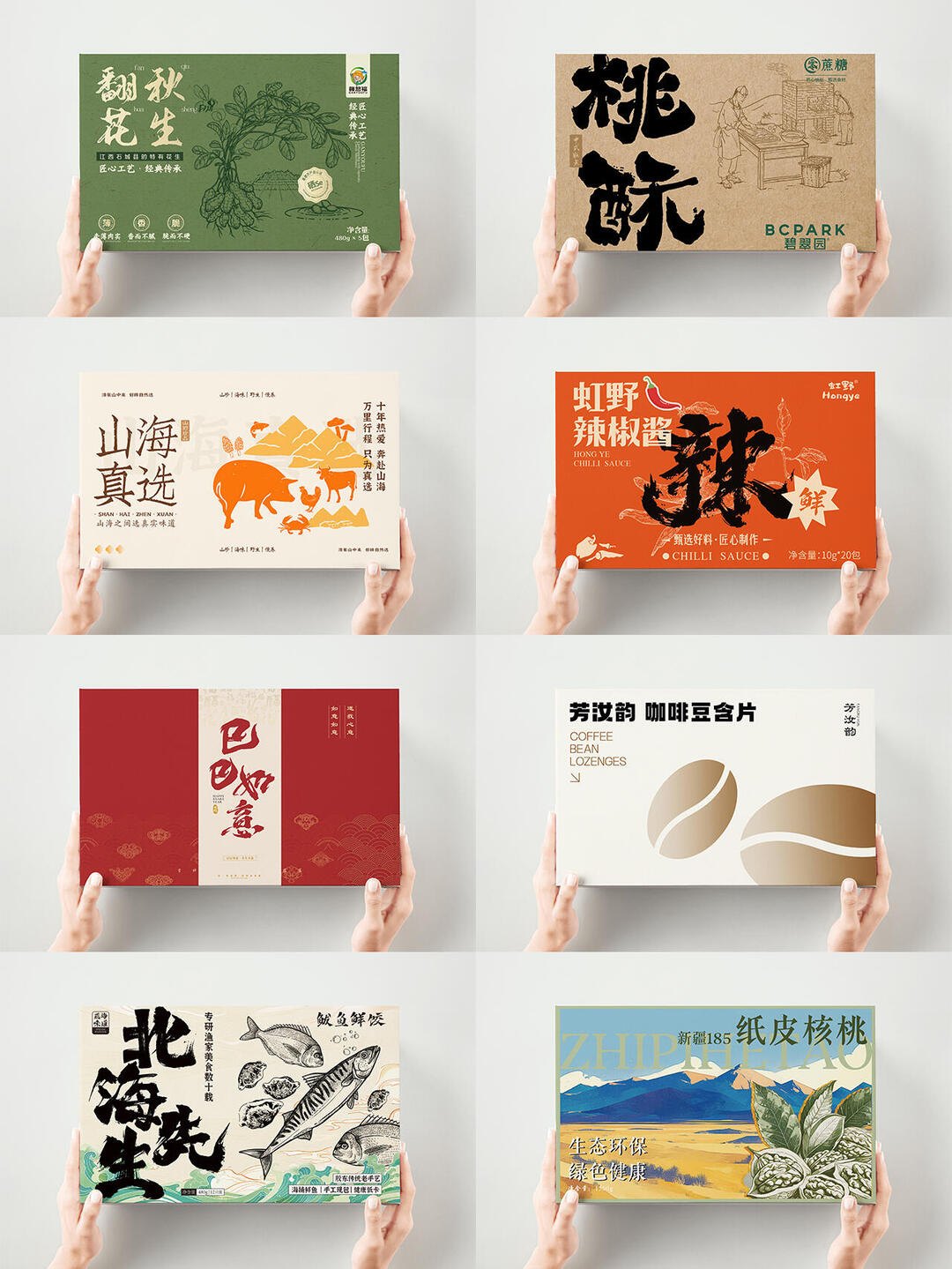
The right structure follows from the target shelf life, not from the brand's aesthetic.
Short shelf life, local distribution (under four weeks). A folding carton with a grease-resistant liner or a compostable film bag is enough. Pastries, fresh confectionery and bakery gifting fit here.
Medium shelf life, retail (three to nine months). Needs a real barrier: metallised film, EVOH-containing film, or an aluminium-free high-barrier structure. The carton is decorative; the pouch is functional.
Long shelf life, e-commerce (nine months and beyond). Usually a sealed pouch or tin with an oxygen absorber, inside a carton designed to survive shipping. Coffee is the textbook case: a one-way degassing valve plus a high-barrier pouch, with the box sized to protect the pouch.
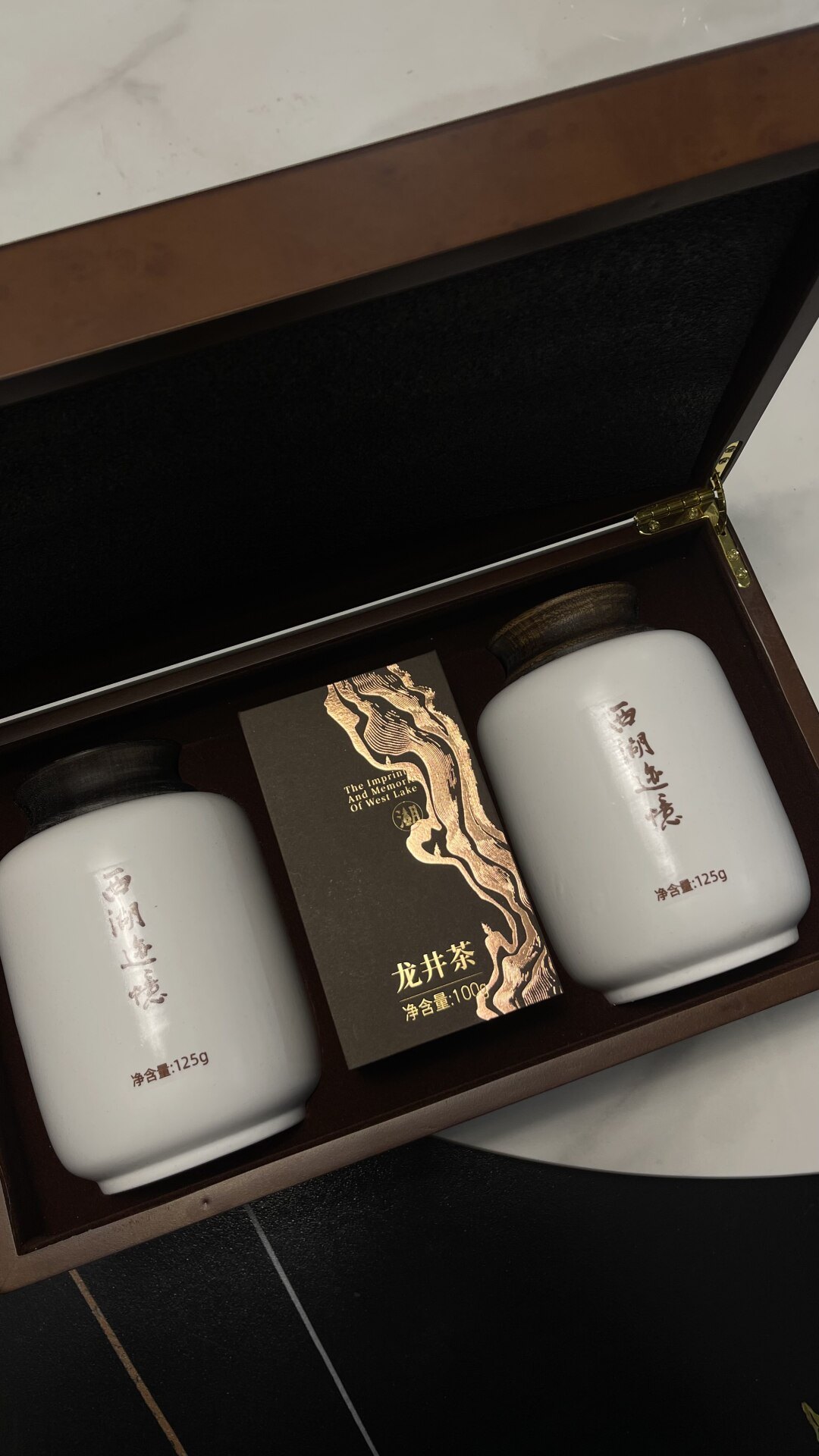
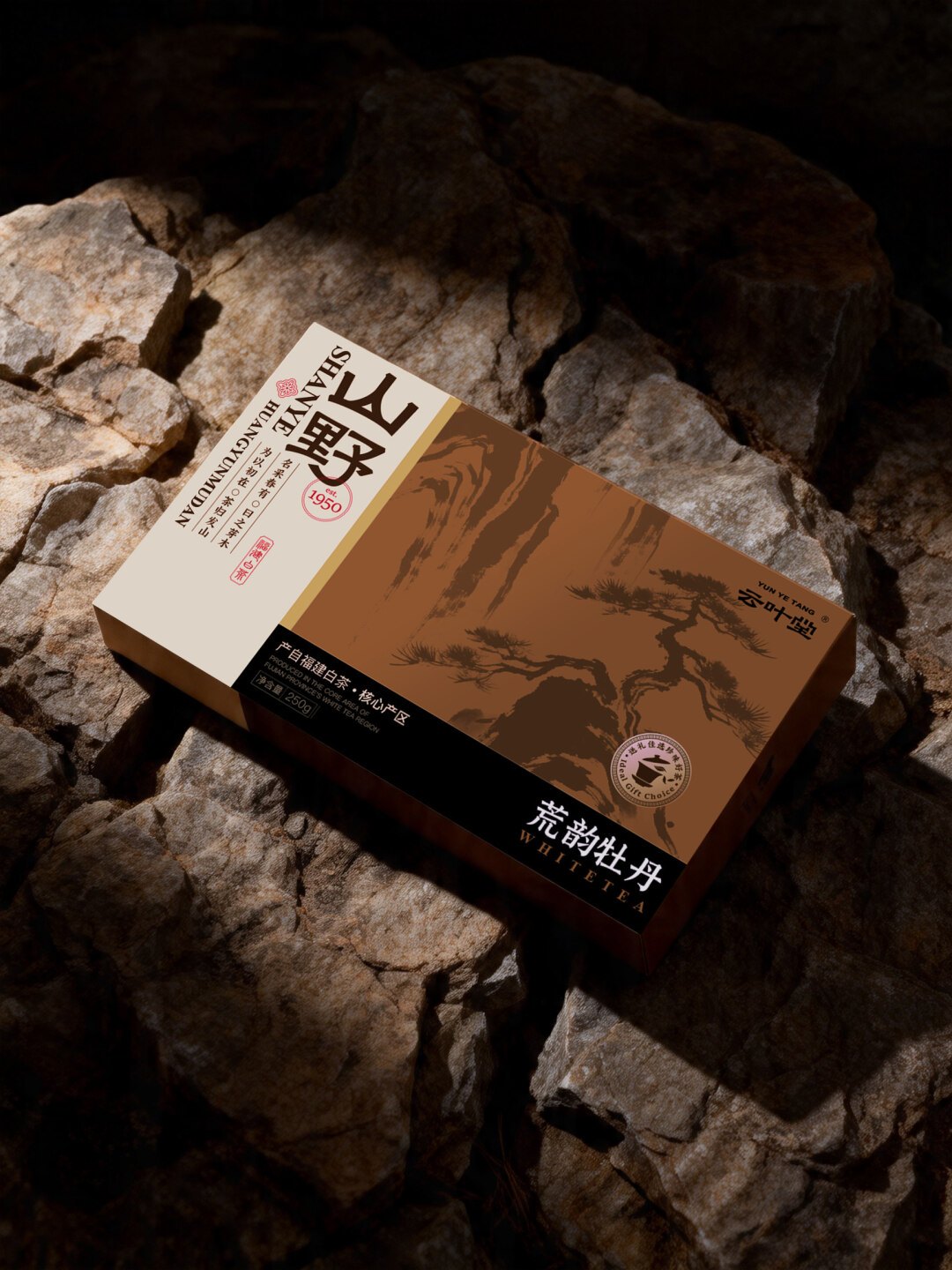
If the packaging can carry a sense of origin and flavour, it sticks in memory far better than simply printing "high mountain tea" on the front. Comment on a white tea packaging post
Need this checked against a real structure? ForestPackage quotes custom boxes, inserts and mailers with free structural proofs.
Get a quoteFor dry, wrapped or pouched products, the carton rarely touches the food — but the ink and coating still matter. Food-safe inks and coatings are specified for indirect contact, and recycled board can carry mineral oil residues that migrate into dry foods. This is a real regulatory topic in the EU, and a reason many food brands specify virgin fibre with a functional barrier for the inner surface.
Practical rules:
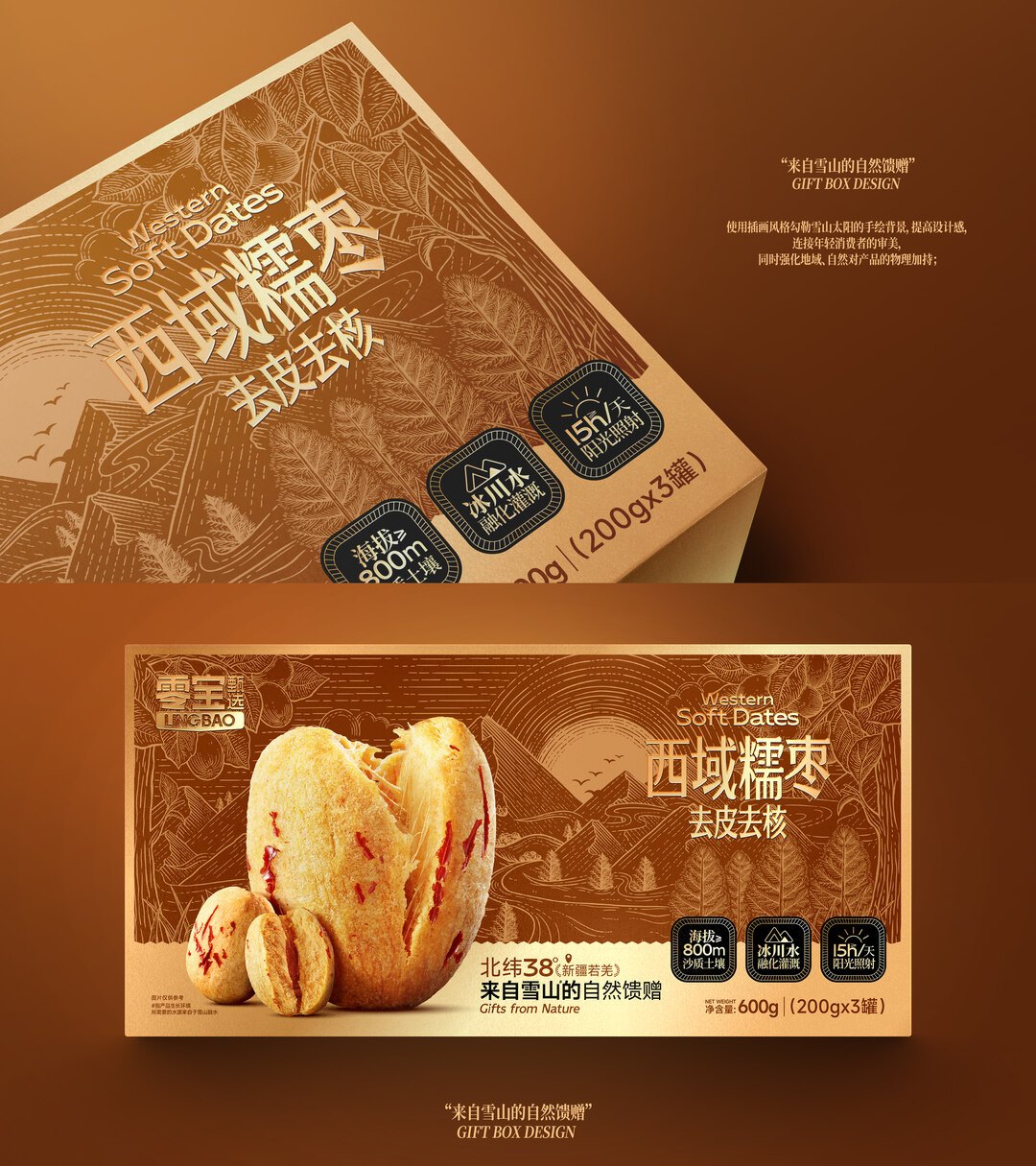
Tea and coffee are the two hardest cases in the category, for opposite reasons.
Tea is hygroscopic and aromatic. It wants an aluminium-free high-barrier pouch, or a tin with a tight seal, and it wants small formats — 50 g and 100 g — because the product degrades every time the pack is opened.
Coffee releases CO2 for days after roasting and then oxidises. It needs a degassing valve if packed fresh, and it needs the pouch to be sized so that headspace is small. The carton's job is to protect the pouch from light and compression; the pouch's job is everything else.
Food packs carry mandatory information: product name, net quantity, ingredients, allergens (emphasised in the EU), storage conditions, best-before date, business name and address, country of origin where required, and nutrition labelling for most pre-packed foods.
The design consequence: a compliant panel is roughly a third of the back of a small carton. Brands that plan for it design a back-of-pack system rather than a single piece of artwork, which is also the cheaper way to add SKUs later.
A die-cut window with a film patch is the most effective "show the product" device in food packaging, and the most common source of recycling contamination. If the product is dry and doesn't need a barrier, an open window without film works. If it needs protection, the film patch is a plastic component bonded to paper — recyclable in theory, rarely separated in practice.
For brands positioning on sustainability, the better answer is often a printed image of the product or a paper band, not a plastic window.
The tin looks beautiful, but tea absorbs every smell around it. I always ask what the inner liner is before I buy.
Do you have a wooden box version? For a gift at this price point, the outer material matters more than the print.
The edible category punishes optimism. A box that photographs beautifully and lets in moisture produces a customer who never comes back — and a review that says the product was stale on arrival. Decide what the pack has to preserve, then decide what it has to say.
No. Paperboard equilibrates with ambient humidity and transmits aroma in both directions. A carton alone will not keep a biscuit crisp or a roasted coffee fresh; the barrier has to come from a sealed pouch or a lined tin inside the decorative box.
Moisture and aroma protection at minimum, usually a metallised or EVOH-containing film. Below four weeks a carton with a grease-resistant liner is enough; beyond nine months you need oxygen and light protection too, typically a high-barrier pouch with a degassing valve for coffee.
Avoid it. Recycled board can carry mineral oil residues that migrate into dry foods, which is a live regulatory topic in the EU. Use virgin fibre with a functional barrier on the food-facing side, low-migration inks, and keep the carton decorative while the liner stays food-contact certified.
Send a size, a quantity and a deadline. You will get a costed answer with a dieline, a material recommendation and a production calendar — not a brochure.
Method. This series reads 377 posts, including 71 food, tea and beverage packaging posts on packaging design, materials and small-batch production, plus the comment threads underneath them. Quotes are translated from Chinese and lightly edited; account names are withheld. Photographs are published by their creators on Xiaohongshu and are used here as illustrative references — clear rights with the creator before any commercial republication.
Written for forestpackage.com — custom boxes, rigid boxes, mailers and inserts, produced in the USA and China.
Approx. 1,025 words · 5 photographs · 1 data figure

Subscribe to our
Enter your email address and enjoy exclusive access to special offers and news.


If the packaging can carry a sense of origin and flavour, it sticks in memory far better than simply printing “high mountain tea” on the front.