


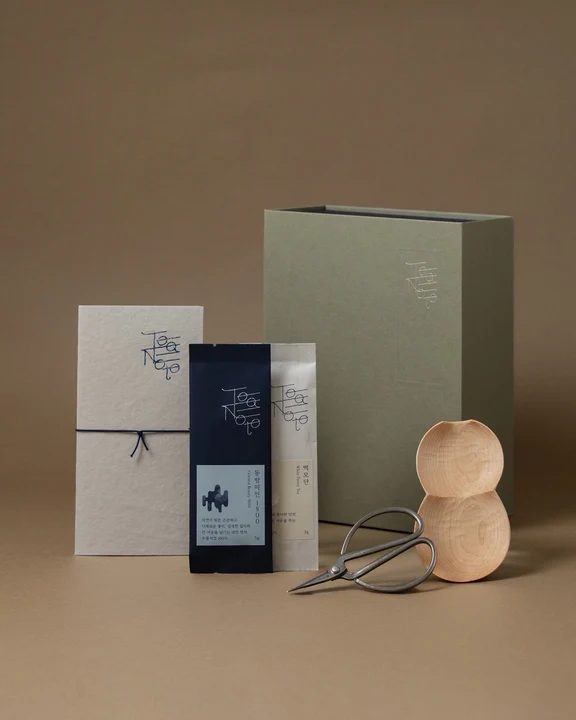
Food packaging must control four things: moisture, oxygen, aroma and light. Paperboard handles light and structure but resists moisture and oxygen poorly, so the barrier comes from a liner, pouch or coating. Match the barrier to the shelf-life target — weeks, months or years — before choosing a box.
Most food packaging failures are not dramatic. They are a biscuit that goes soft, a tea that tastes of the warehouse, a chocolate that blooms before Christmas. Each one traces back to a barrier that was assumed rather than specified.
The first step is to stop treating the box as the package. The box is the story; the liner is the shelf life.
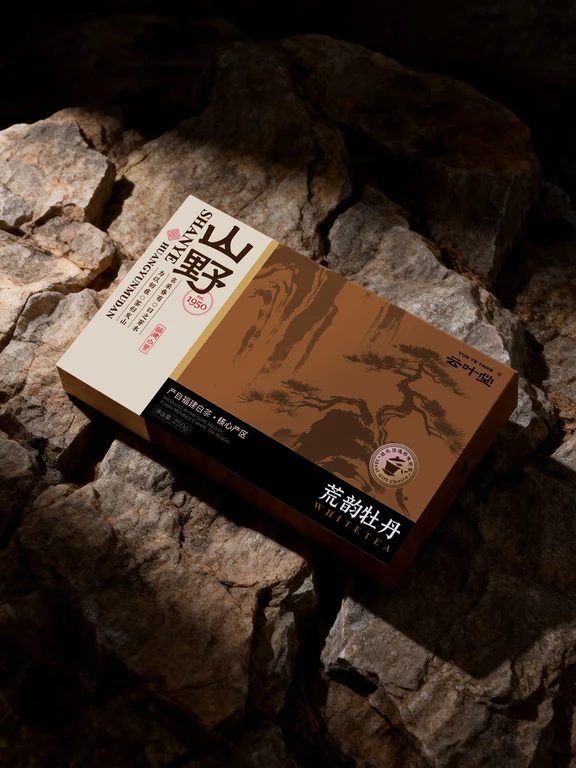
Four transports move through packaging, and each one needs a different defence.
Moisture moves as vapour from the environment into the product, or out of it. Crisp products lose crunch, powders cake, and hygroscopic ingredients absorb water until they spoil.
Oxygen reacts with fats and oils, producing the flavours we call rancid. It also oxidises colours and vitamins, which shortens shelf life even when the product is technically safe.
Aroma moves in both directions: volatile compounds escape, and the pack absorbs smells from its surroundings. A tea packed next to a spice consignment will taste of spice.
Light degrades some colours and vitamins, which is why opaque packs exist and why clear windows are a compromise rather than a neutral choice.
Paperboard is excellent at structure, print and light blocking. It is poor at moisture and oxygen, because it is porous and hygroscopic: it absorbs water from the air and passes vapour slowly through its thickness.
That is not a flaw to engineer away; it is a property to design around. The usual solution is a liner — a sealed pouch or a coated film — inside a decorative carton.
A carton with a liner is a two-material system, and the two materials do different jobs. Confusing them is how brands end up with a beautiful box and a stale product.
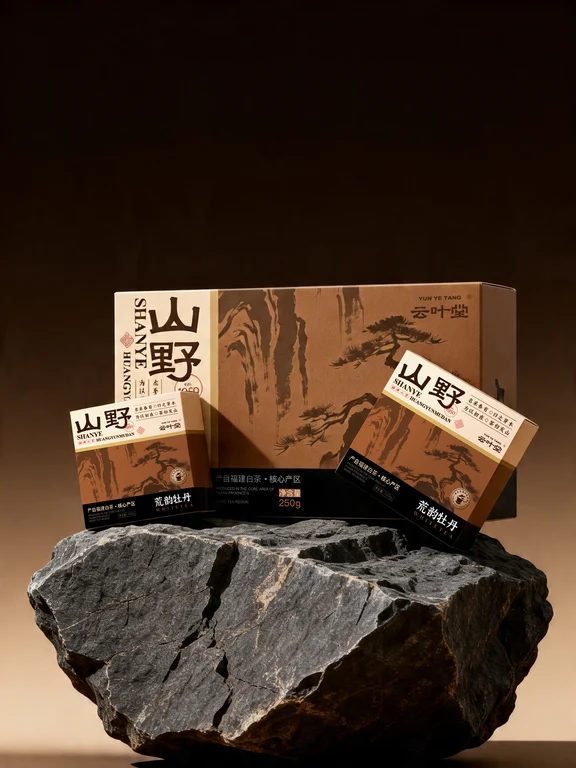
The shelf-life target decides the barrier, not the other way round.
Specifying “a nice box” without the shelf-life number is how a pack ends up either over-engineered or under-protected.
High barrier usually means multiple layers: a film with a metallised layer, an EVOH core, a sealant layer. Each layer does a job, and the combination is what delivers the shelf life.
The cost is recyclability. Multi-layer films are difficult to separate, and most kerbside schemes reject them. For brands with a sustainability claim, that creates a genuine tension: the barrier protects the product and reduces food waste, but the pack is harder to recycle.
The honest position is to state it: a high-barrier pouch inside a recyclable carton, with a note that the pouch goes in general waste. That is less romantic than “100% recyclable” and considerably more true.
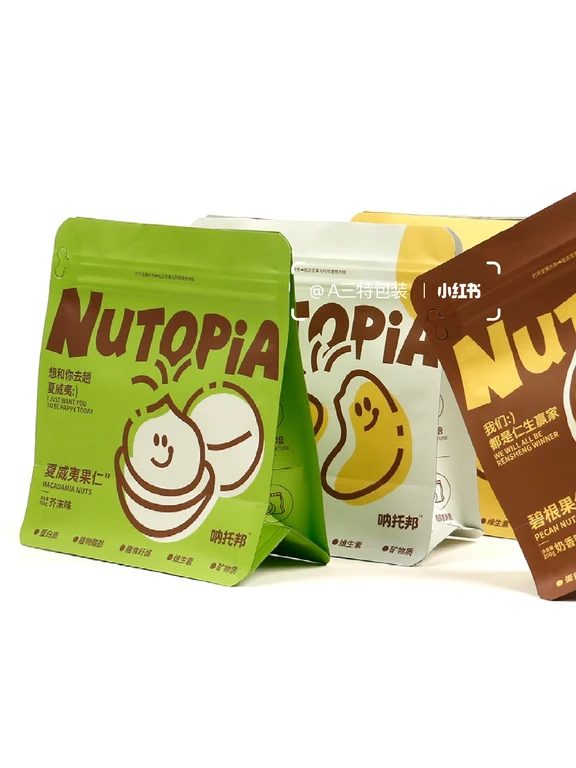
Two measurements tell you whether the pack will do its job:
A supplier can quote both for a film. What they cannot tell you is how the finished pack performs, because seals, folds and closures leak. That is why a shelf-life test — pack the product, store it, taste it at intervals — is still the only real proof.
Once the liner is chosen, the carton has a new job: protect the liner, carry the brand, and stay out of the way at packing time. That changes three details.
The internal dimensions must clear the filled pouch — a pouch that is compressed by the carton puts stress on the seal, which is the weakest point in the system. The opening must allow the pouch to be inserted without dragging. And the board must be stiff enough to keep the pouch upright in a display case, where a sagging pack looks stale even when it is fresh.
These are small decisions, but they are the difference between a pack that works on a packing line and one that works only in a mock-up. Specify them with the liner, not after it.
A shelf-life number and a barrier specification belong in the same document; one without the other is an assumption.
Test the finished pack, not the film datasheet: seals, folds and closures are where barriers actually fail.
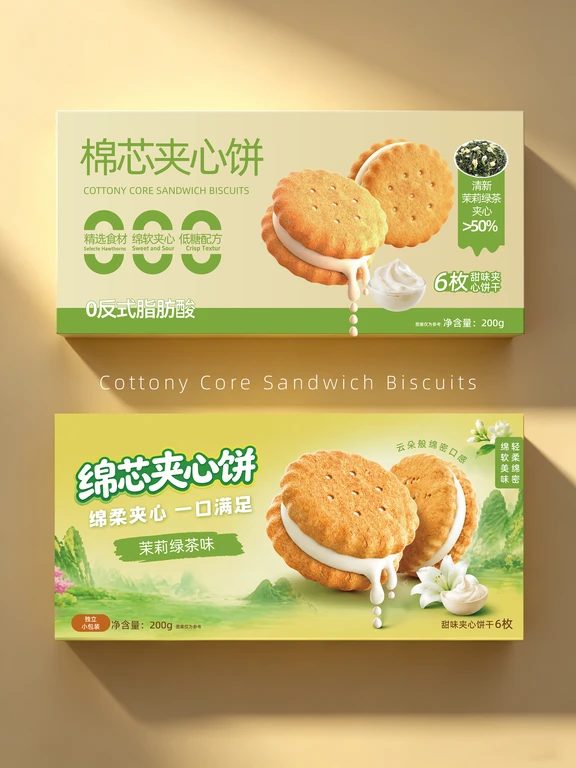
Barrier costs money, and the cost is easiest to justify when it is compared with waste. A pack that adds five cents and prevents a 3% spoilage rate saves far more than it costs, provided the shelf life is actually extended.
The mistake is paying for barrier that the product does not need, or skipping barrier where the distribution chain is long. Both are specification errors, and both are visible on a P&L.
Send a size, a quantity and a deadline. ForestPackage answers with a dieline, a board recommendation and a production calendar.
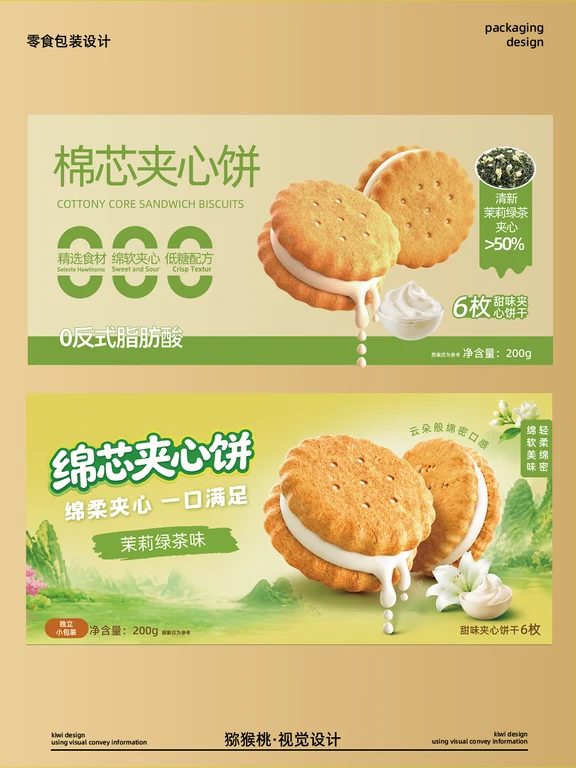
Barely. Paperboard equilibrates with ambient humidity and transmits moisture slowly, which is enough for short shelf life and not enough for crisp or hygroscopic products. The barrier has to come from a liner, a pouch or a coating.
Moisture barrier resists water vapour and matters for crisp, powdery and hygroscopic products. Oxygen barrier resists O2 and matters for fats, oils and aromatics. A material can be good at one and poor at the other, which is why films are often multi-layer.
Rarely in a standard paper or plastic stream. Metallised films are composites, and most kerbside schemes cannot process them. If recyclability matters, a mono-material or paper-based barrier is the better route, at a higher cost.

Subscribe to our
Enter your email address and enjoy exclusive access to special offers and news.


