


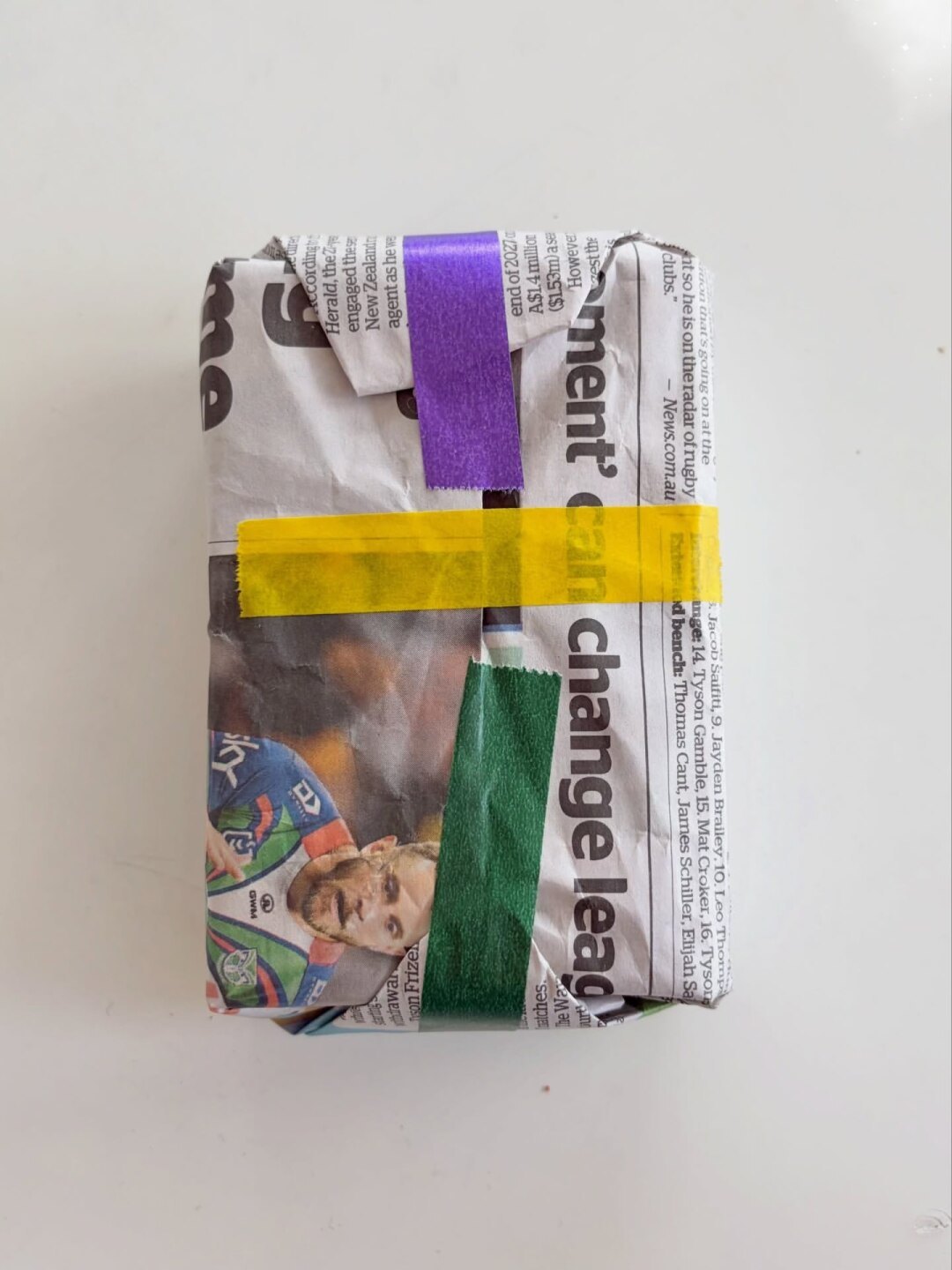
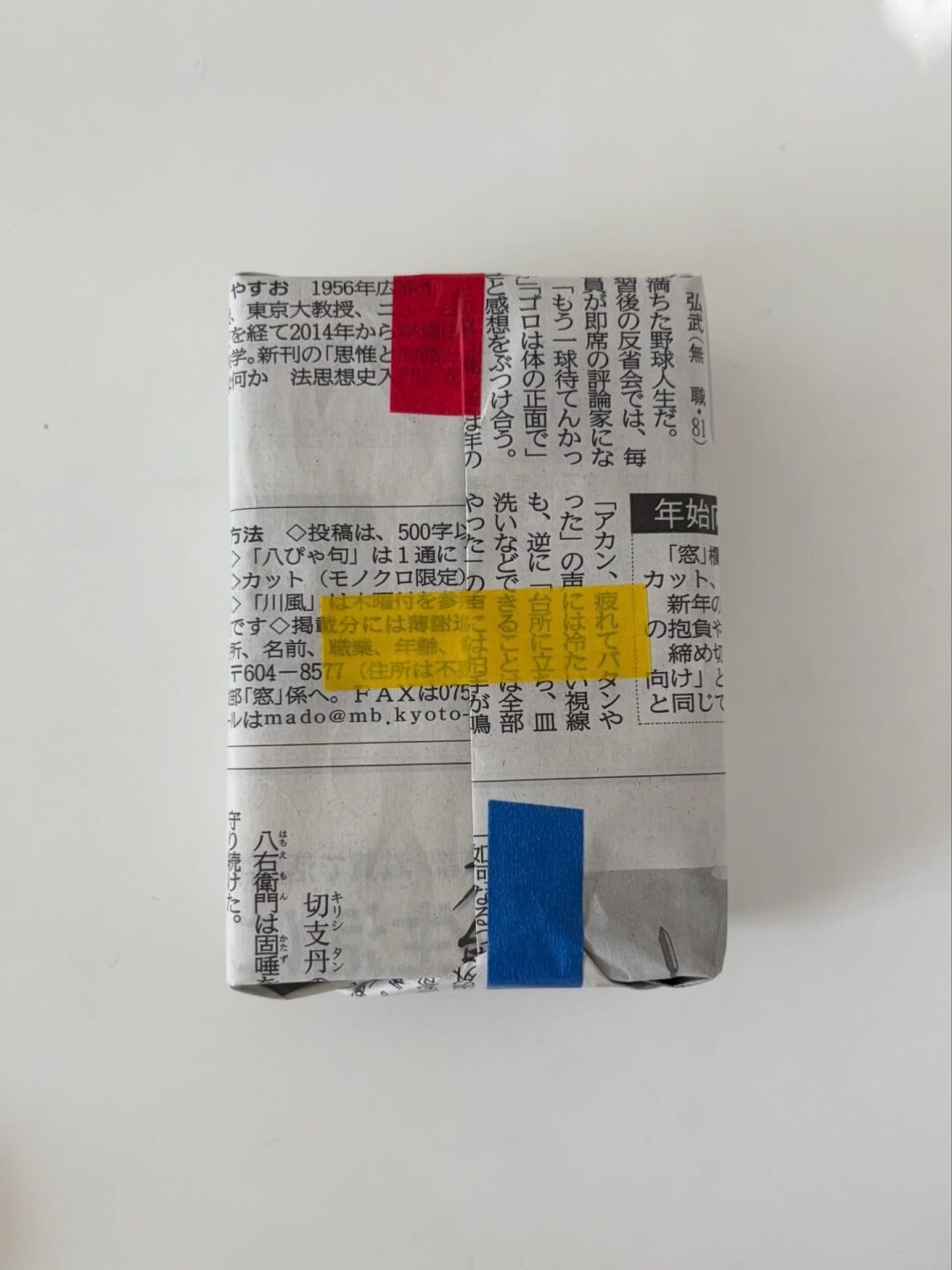
Amazon, TikTok Shop and similar channels repack, relabel and stack your parcel. If the pack only works in your own fulfilment centre, it does not work.
Marketplace packaging has to survive repacking, relabelling and stacking by people who have never seen your brand. Make the retail box structurally shippable, leave a matte label zone clear of legal copy, duplicate the barcode on two panels, and avoid foil or soft-touch on outer faces that will scuff in a bin.
Direct-to-consumer brands control every step between the press and the doorstep. Marketplace sellers control almost none of them. Your box goes to a warehouse, gets received, scanned, possibly repacked, labelled with a channel-specific barcode, stacked with thousands of other parcels, and shipped by a carrier you did not choose.
That is not a reason to give up on packaging. It is a reason to design for the channel rather than for the photo.
Four transformations happen to almost every marketplace parcel:
Repacking. Some categories are repacked into the channel's own packaging. If your product depends on the box for protection, it needs to survive without it — or the box needs to be the shippable unit.
Relabelling. Channel barcodes and compliance labels are applied over your artwork, usually with a thermal label. Design a blank, matte area where a label can land without covering required copy.
Stacking. Parcels are stored in bins and stacked by weight, not by brand. Compression strength, not beauty, decides survival here.
Consolidation. Multi-item orders ship together. If your box cannot be packed next to another product without crushing, it will be.
Marketplaces publish long requirement documents, but enforcement concentrates on four things:
The fee structure means the cheapest packaging decision is usually the smallest box that safely holds the product — not the most impressive one.
Need this checked against a real structure? ForestPackage quotes custom boxes, inserts and mailers with free structural proofs.
Get a quoteThe most-liked comments in our shipping threads were not about design at all. They were about parcels arriving empty, opened or crushed — a reminder that in marketplace channels, the packaging's first job is to be a secure container, and its second job is to be a brand asset.
I bought mine on marketplace and there was no box at all — just a bag. The official store shipped the same product in a proper carton. Comment on a marketplace unboxing thread
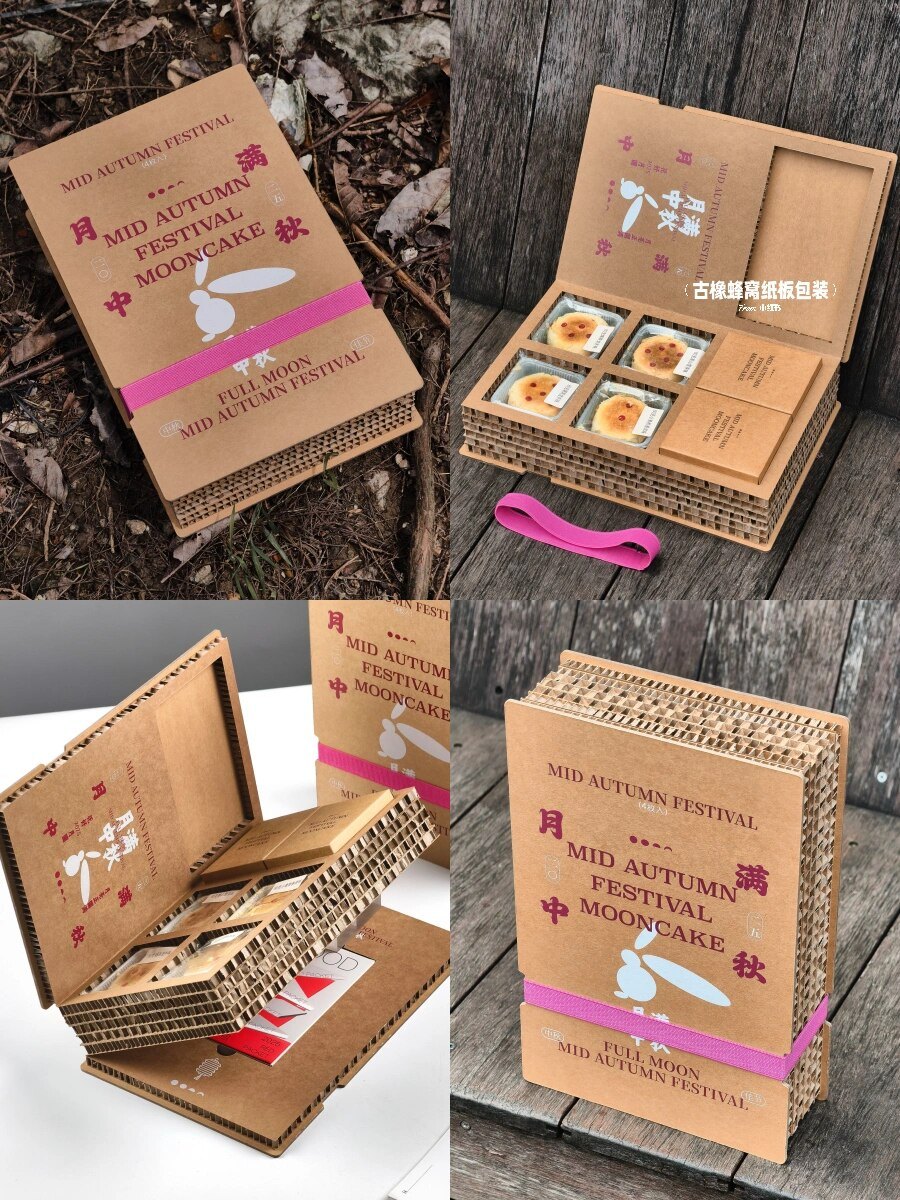
That comment describes a repacking decision made by a warehouse, not by a brand. It is also why brands selling fragile or gift-positioned products often choose to ship in their own box as the shippable unit, accepting the fee tier in exchange for controlling the unboxing.
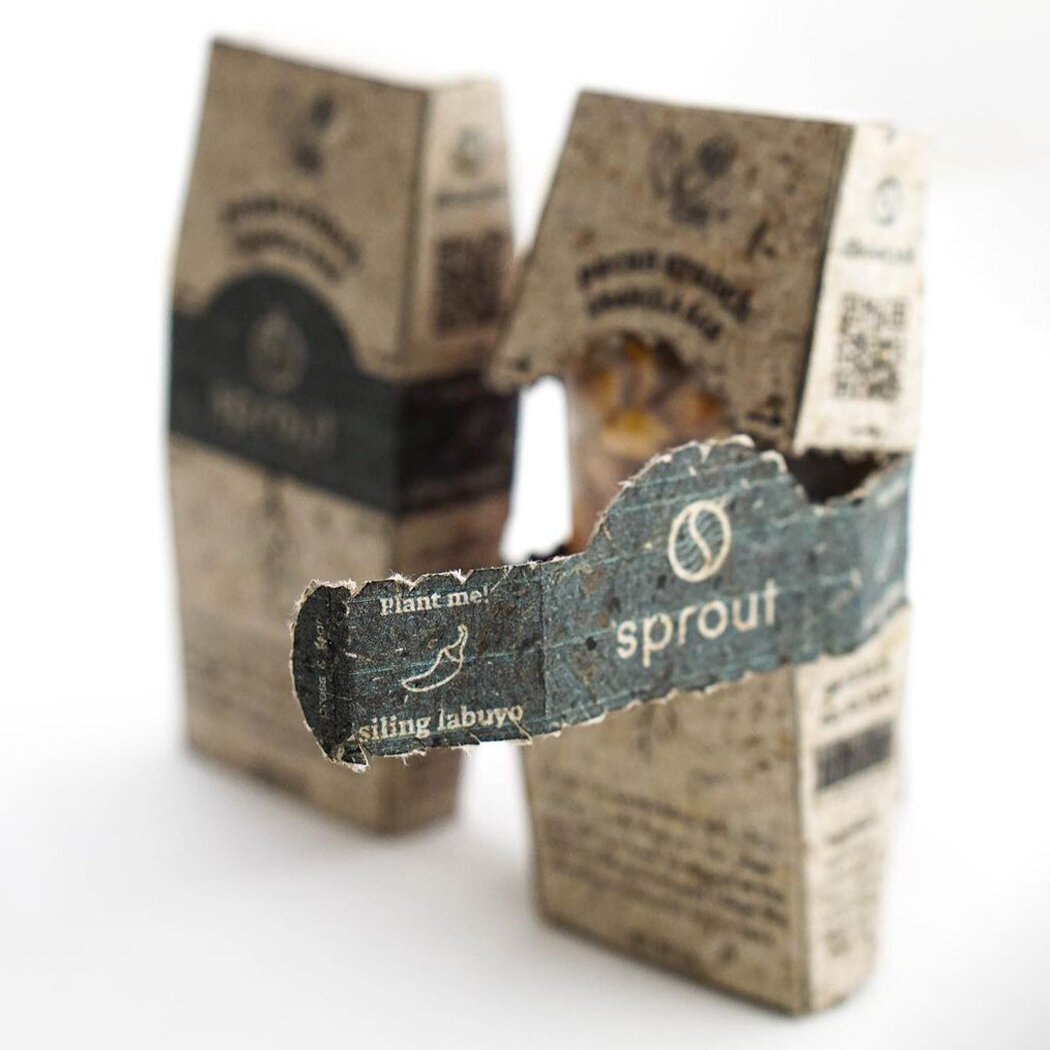
A pragmatic specification for a marketplace SKU:
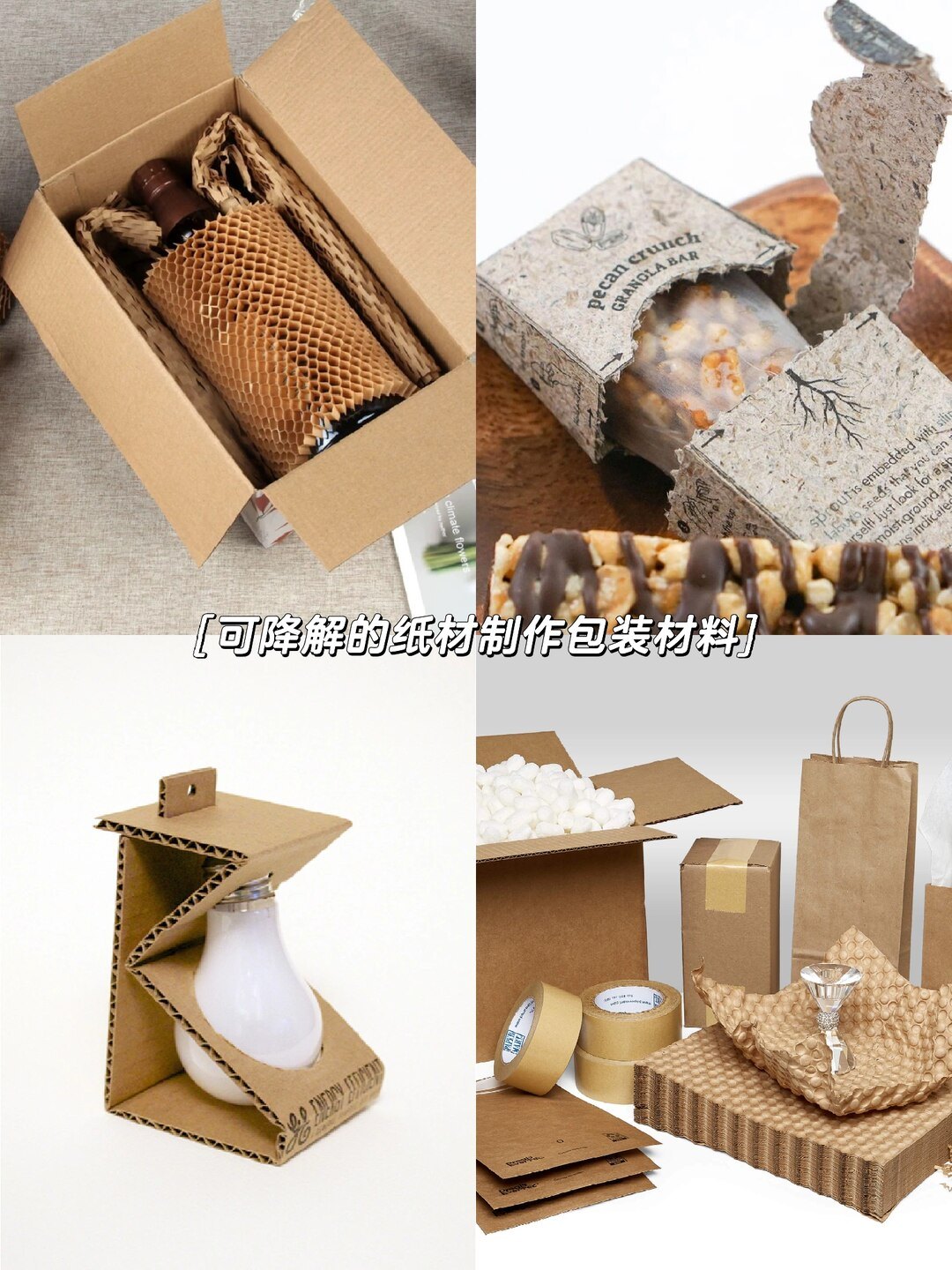
Two legitimate reasons to over-specify for a marketplace: gifting and premium positioning. If the product is bought as a gift or priced at the top of its category, the unboxing is part of the value, and the fee tier is a marketing cost. In that case, design the retail box to be the shippable unit, test it against the same drop and stack protocols, and accept the size penalty deliberately.
Marketplace packaging costs are usually modelled as unit price plus freight. In practice, four other lines matter more at scale, and all four are consequences of packaging decisions:
Add these four lines up and the cheapest-looking box is frequently the most expensive listing to run. The calculation is not intuitive, which is why so many sellers discover it only after a quarter of fee reports.
There is a legitimate case for over-specifying: a product sold as a gift, or one priced in the top decile of its category, where the opening is part of the purchase. In that case the retail box should be designed as the shippable unit, tested against the same drop and stack protocols, and priced with the fee tier included in the marketing budget rather than hidden in the packaging budget.
The test is simple. If a customer would photograph the box and post it, the packaging is marketing and deserves a marketing budget. If not, it is logistics, and should be optimised like logistics.
Mine arrived the same way and I was furious — it was a gift. Domestically it always came with a box.
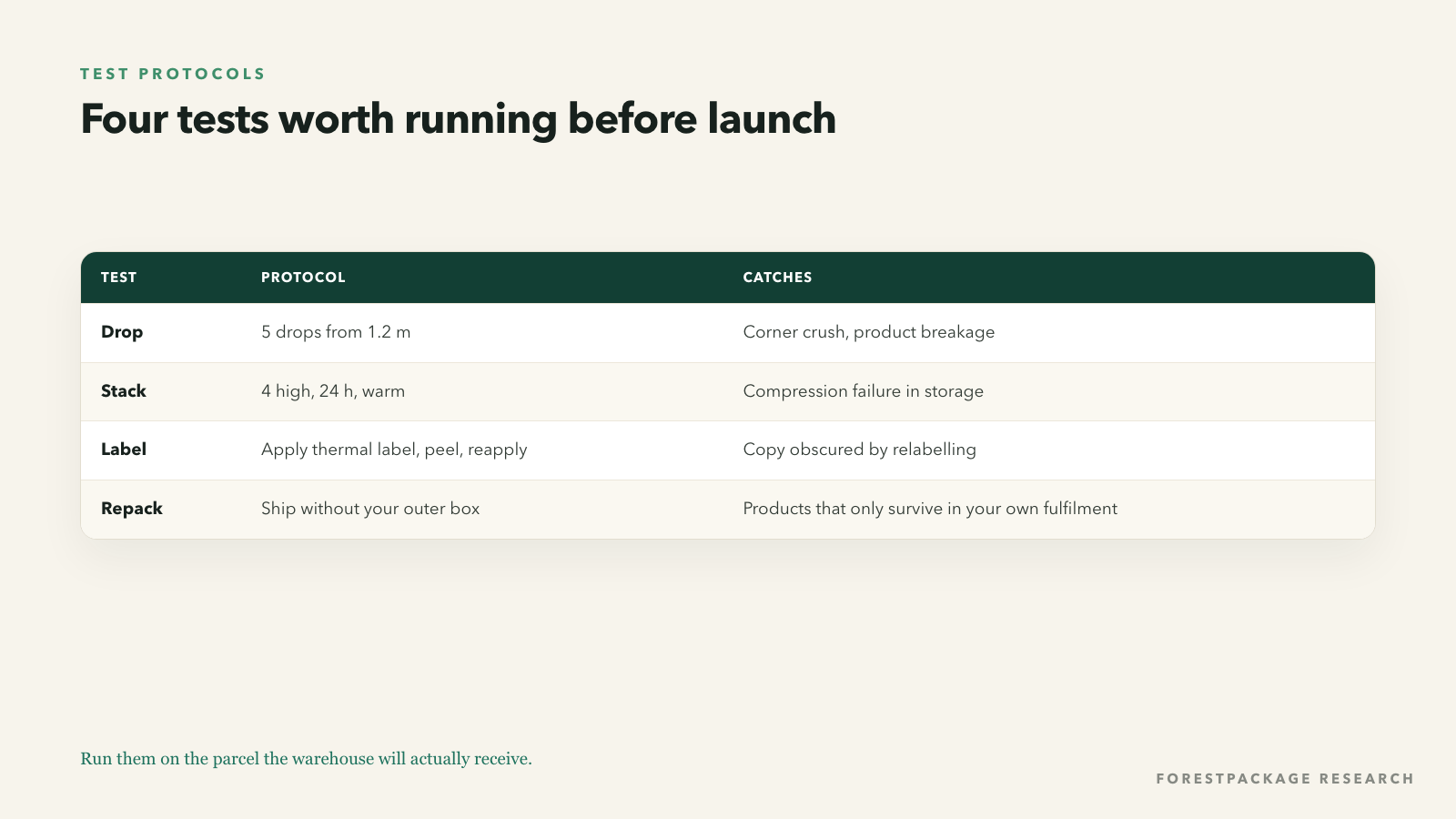
Marketplace warehouses repack whatever you send them. If your product needs a box to survive, design the box to survive being repacked.
The channel decides what your packaging has to survive. Designing for the warehouse is less romantic than designing for the unboxing video, but it is the version of the job that keeps the product intact long enough to be filmed.
Because some categories are repacked into channel packaging at the fulfilment centre, and multi-item orders are consolidated. If the product needs the box for protection or presentation, the box must be designed to be the shippable unit — tested against the same drop and stack protocols as a shipper.
Four things: barcode scannability, size and weight tiers, poly-bag rules (suffocation warnings and minimum dimensions), and category prep requirements. Non-compliance shows up as prep rejections, higher fee tiers, or shipments refused at the dock.
Reserve a matte white area of at least 60 × 40 mm, keep legal copy out of it, and duplicate barcodes and compliance text on two adjacent panels. Thermal labels are applied by the warehouse, not by you, so the design has to assume the worst placement.
Send a size, a quantity and a deadline. You will get a costed answer with a dieline, a material recommendation and a production calendar — not a brochure.
Method. This series reads 377 posts and 896 comments on shipping and marketplace fulfilment on packaging design, materials and small-batch production, plus the comment threads underneath them. Quotes are translated from Chinese and lightly edited; account names are withheld. Photographs are published by their creators on Xiaohongshu and are used here as illustrative references — clear rights with the creator before any commercial republication.
Written for forestpackage.com — custom boxes, rigid boxes, mailers and inserts, produced in the USA and China.
Approx. 1,166 words · 5 photographs · 1 data figure

Subscribe to our
Enter your email address and enjoy exclusive access to special offers and news.


I bought mine on marketplace and there was no box at all — just a bag. The official store shipped the same product in a proper carton.