


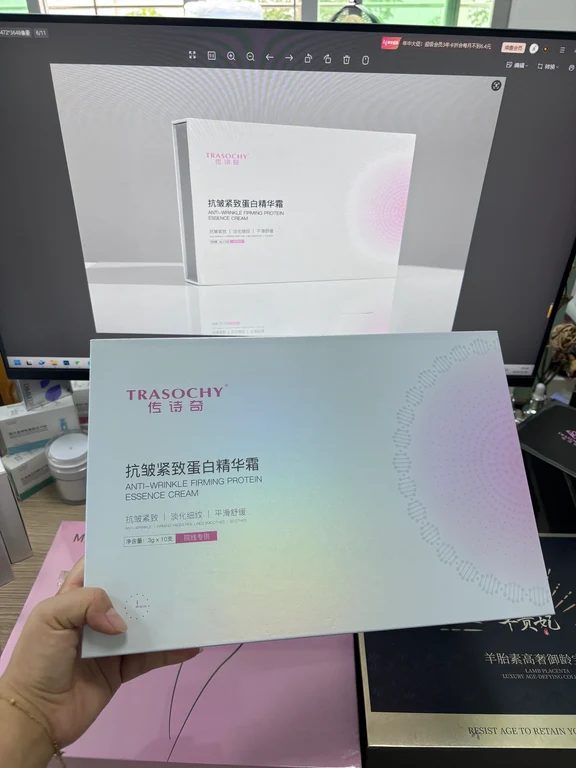
Beauty cartons carry net content, the INCI ingredient list, batch code, period-after-opening symbol, manufacturer details, origin and warnings. That copy takes roughly a third of a small back panel, so it has to be reserved in the dieline before the front is designed.
Designers are briefed on the front of a beauty carton: the colour, the typography, the mark. The back is treated as an admin space, filled at the end from a compliance spreadsheet.
That sequencing is why so many beauty packs look like the logo was an afterthought — the copy panel consumed the space the design needed, and the design was adjusted at the last minute.
The exact list depends on the market, but most regimes require:
Net content — weight or volume, in the units the market expects.
INGI list — ingredients in descending order of concentration, using INCI names, below a certain threshold.
Batch code — for traceability and recall.
PAO symbol — the period-after-opening, an open-jar icon with a number of months, required in the EU when minimum durability exceeds 30 months.
Responsible person — the manufacturer or importer, with an address.
Country of origin — where required.
Warnings — specific to the formula, format or market.
That is a lot of text on a 150 mm panel.
On a typical 50 × 150 mm back panel, compliant copy in 6–7 pt type occupies roughly a third of the area, before barcodes and recycling marks.
Three practical rules:
If the copy does not fit, the design changes, not the regulation.

The ingredient list is dictated by the formula, and the formula changes more often than the packaging. That makes the copy panel a living document rather than a one-time design.
Two consequences: keep the list in a format that can be updated without a full redesign, and version the artwork so the pack matches the formula in the batch. A carton that lists an ingredient the product no longer contains is a compliance problem in most markets.
Two different concepts, sometimes confused:
Many beauty products use PAO, which means the pack does not carry a date but the symbol. Getting this wrong is one of the most common labelling errors in small beauty brands.
A pack sold in several countries may need multiple languages, which multiplies the copy area. The practical solutions are a multi-language back panel on larger cartons, a folded leaflet for smaller ones, or market-specific print runs.
The choice affects tooling: a single multi-language panel is cheaper per unit but limits the design; separate runs cost more but keep the pack clean.
The best beauty packs treat the copy panel as part of the design: a typographic block, a rule, a colour field. That is not decoration; it is how a legal requirement becomes a visual language.
Brands that do this early get a pack that looks deliberate. Brands that add copy late get a pack that looks edited down — because it was.
The compliance copy comes from three places: the formula (INCI, warnings), the manufacturer (batch, responsible person) and the market (language, units, symbols). None of them live in the design file, which is why the copy panel is so often assembled late.
A practical workflow is to build a single source document — a spreadsheet with one row per market and one column per required element — and to generate the panel from it. That document becomes the input to the artwork, and it is versioned alongside the design.
Brands that do this can add a market without redesigning the pack. Brands that do not end up paying for a new print run every time a regulation changes.
If the copy does not fit at 6 pt, the pack is too small — not the regulation too long.
Compliance copy changes: a formula is updated, a market adds a language, a warning is revised. If the artwork is not versioned with the copy, the pack and the product drift apart.
Keep the copy document, the artwork file and the printed proof together, with a date and a version number. When an inspector or a retailer asks what is on the pack and why, that folder is the answer — and it takes minutes to assemble if the habit exists, and days if it does not.
The copy panel is the only part of a beauty pack that is not a design choice — treat it as a constraint and the design gets easier.
A beauty carton that respects the copy panel looks more professional, not less designed.
Market confirmed, copy panel sized, INCI list current, PAO or date decided, responsible person and origin confirmed, warnings reviewed, barcode placed, and type size verified at 100%.
Nine items, one meeting, and the design can proceed without a late surprise.
Send a size, a quantity and a deadline. ForestPackage answers with a dieline, a board recommendation and a production calendar.
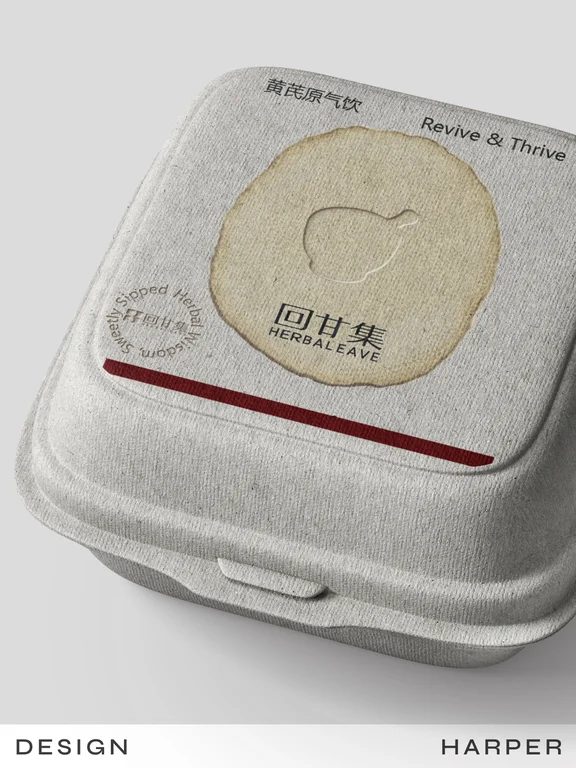
Net content, INCI ingredient list, batch code, period-after-opening symbol, manufacturer or responsible person, country of origin and any warnings. The exact requirements depend on the market, but all of them need a reserved copy panel.
The period-after-opening symbol — an open jar with a number of months — tells the customer how long the product stays safe after opening. It is required in the EU when the minimum durability exceeds 30 months.
Roughly a third of the back panel on a small carton. Reserving it in the dieline is the difference between a design that fits and one that gets shrunk at the last minute.

Subscribe to our
Enter your email address and enjoy exclusive access to special offers and news.


