


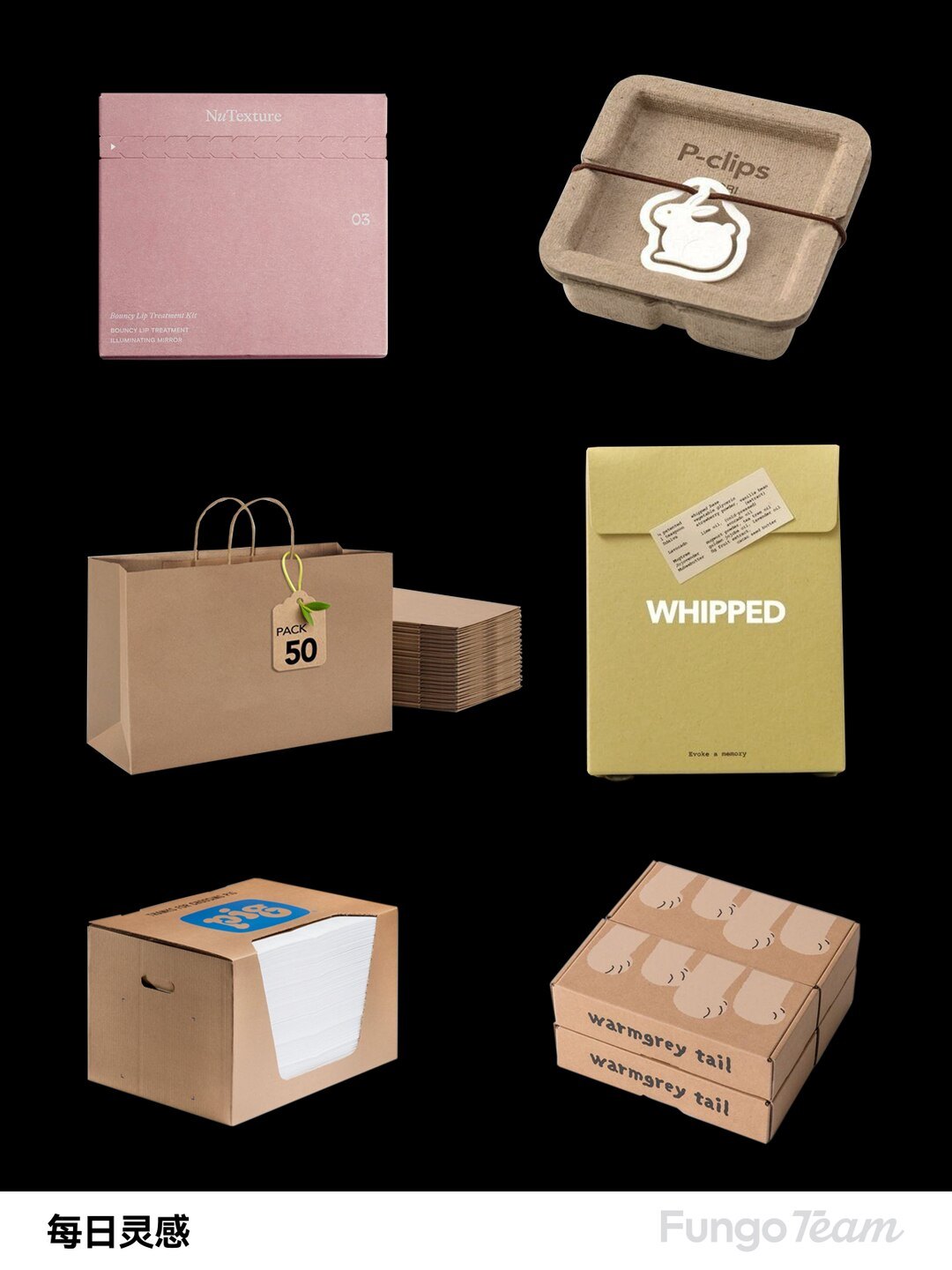
The first order is a hypothesis, not a commitment. Here is how to buy packaging in the hundreds without paying the premium of a one-off.
A first packaging order can be 50–300 units if it avoids custom tooling: use a library die, print on a digital press, and skip multiple finishes. Run three cycles of 50–100 units, ship 20 to real customers, change one variable per cycle, and scale only when damage is under 1%.
Every founder we read in this sample hit the same wall at the same moment. The design is finished, the product is ready, the first orders are coming in — and the factory asks for a number that is five times the available budget.
The wall is real, but it is not uniform. It exists because different production methods have different minimums, and most buyers are quoted the minimum of the method the supplier happens to run, not the minimum of the method their project needs.
Digital short-run. Digital presses have almost no setup; the constraint is sheet size and stock. Runs of 50–300 are realistic on a folding carton, with the trade-off that Pantone accuracy is approximate and some finishes are unavailable.
Library dies. Most factories keep a catalogue of standard structures — mailers, tuck-top cartons, sleeve-and-tray boxes. Printing on a library die removes tooling entirely and often removes a week from the calendar.
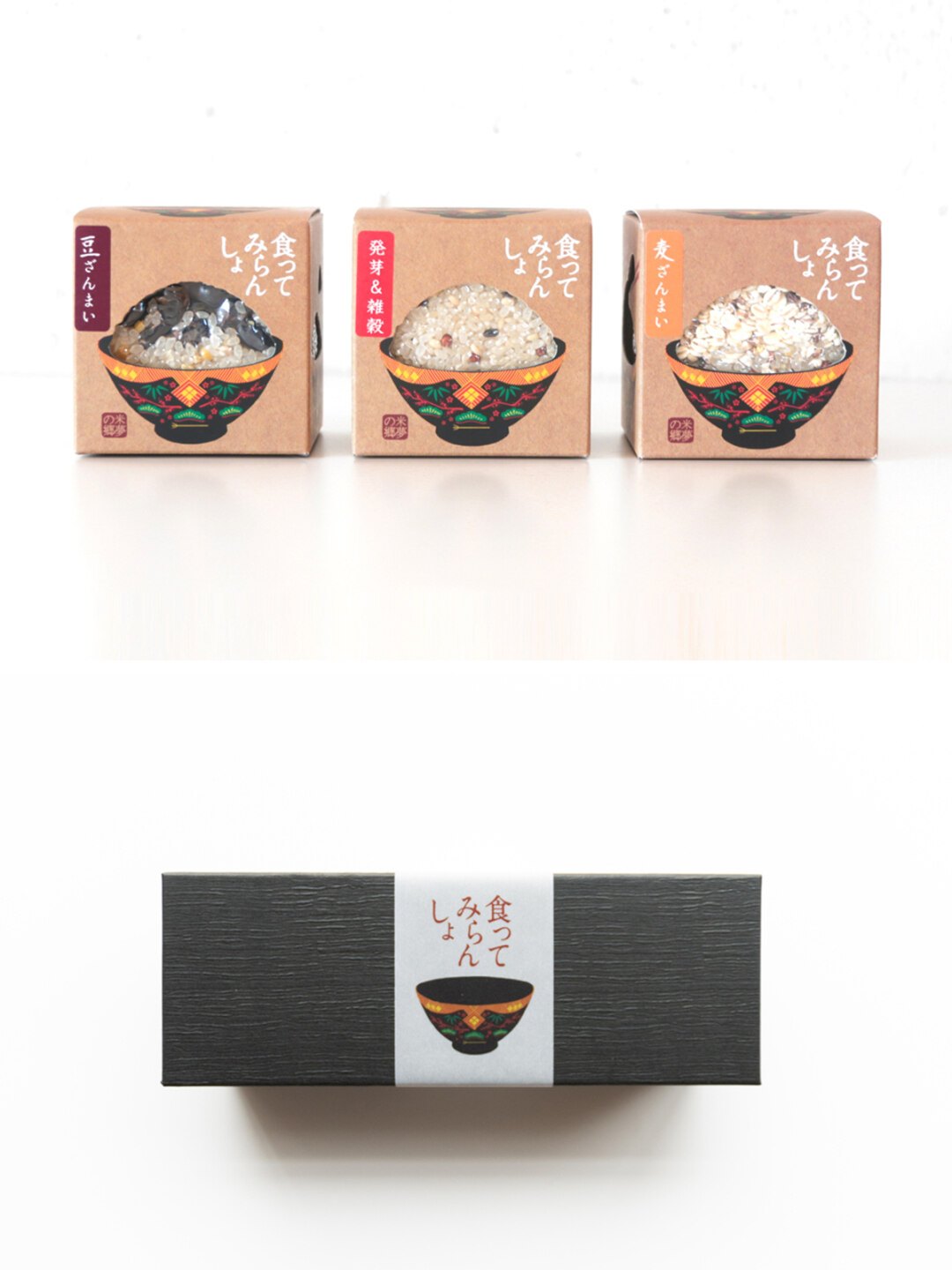
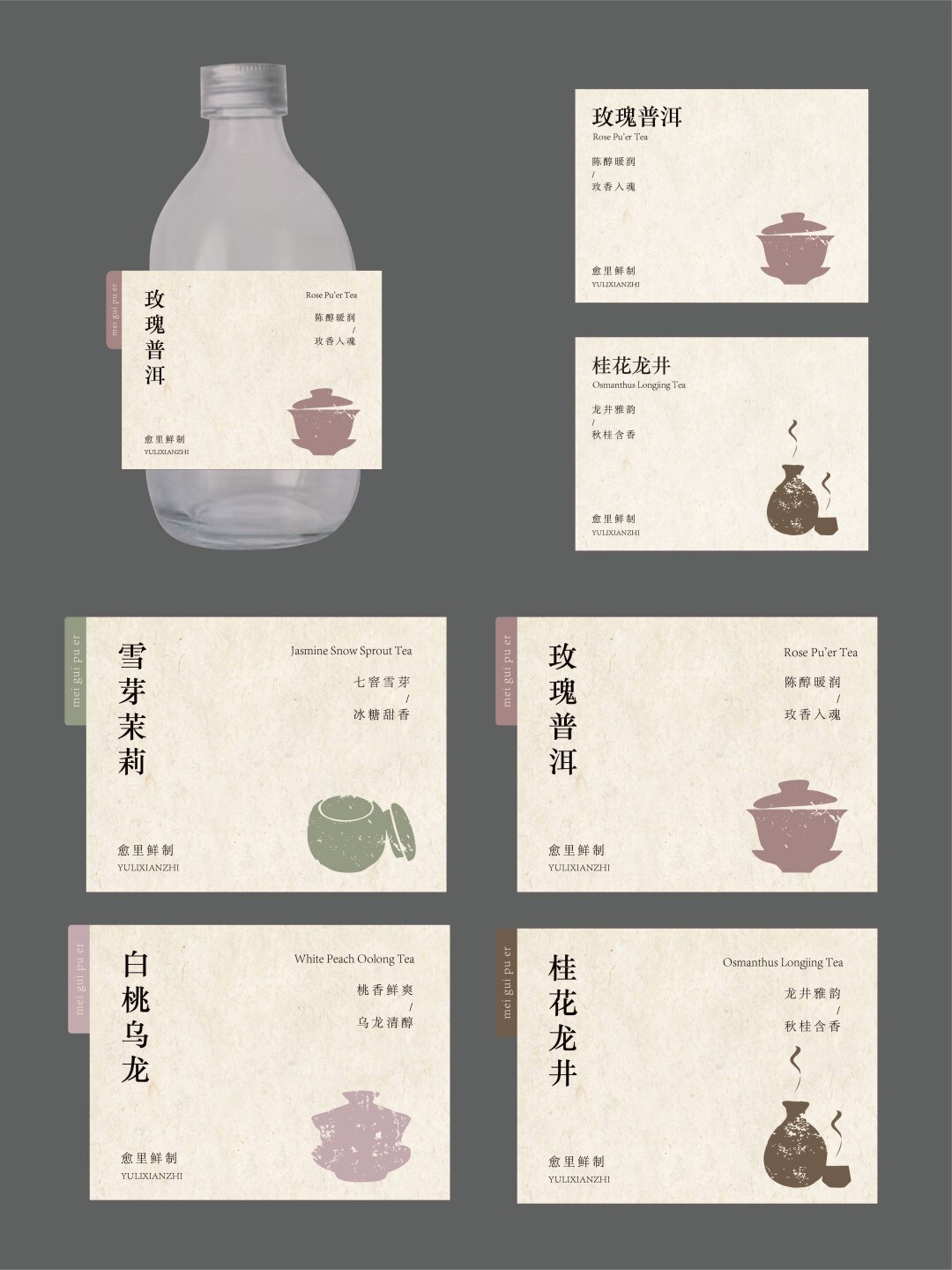
Stock sizes plus a label. A plain kraft or white mailer with a printed label, a belly band or a stamped mark is not a compromise. It is a legitimate first-order strategy that many brands keep permanently for their low-volume SKUs.
Shared runs. Some suppliers group small orders onto one press run of the same board and colour. You get offset quality and a fraction of the setup; you give up the ability to change the design after the run is scheduled.
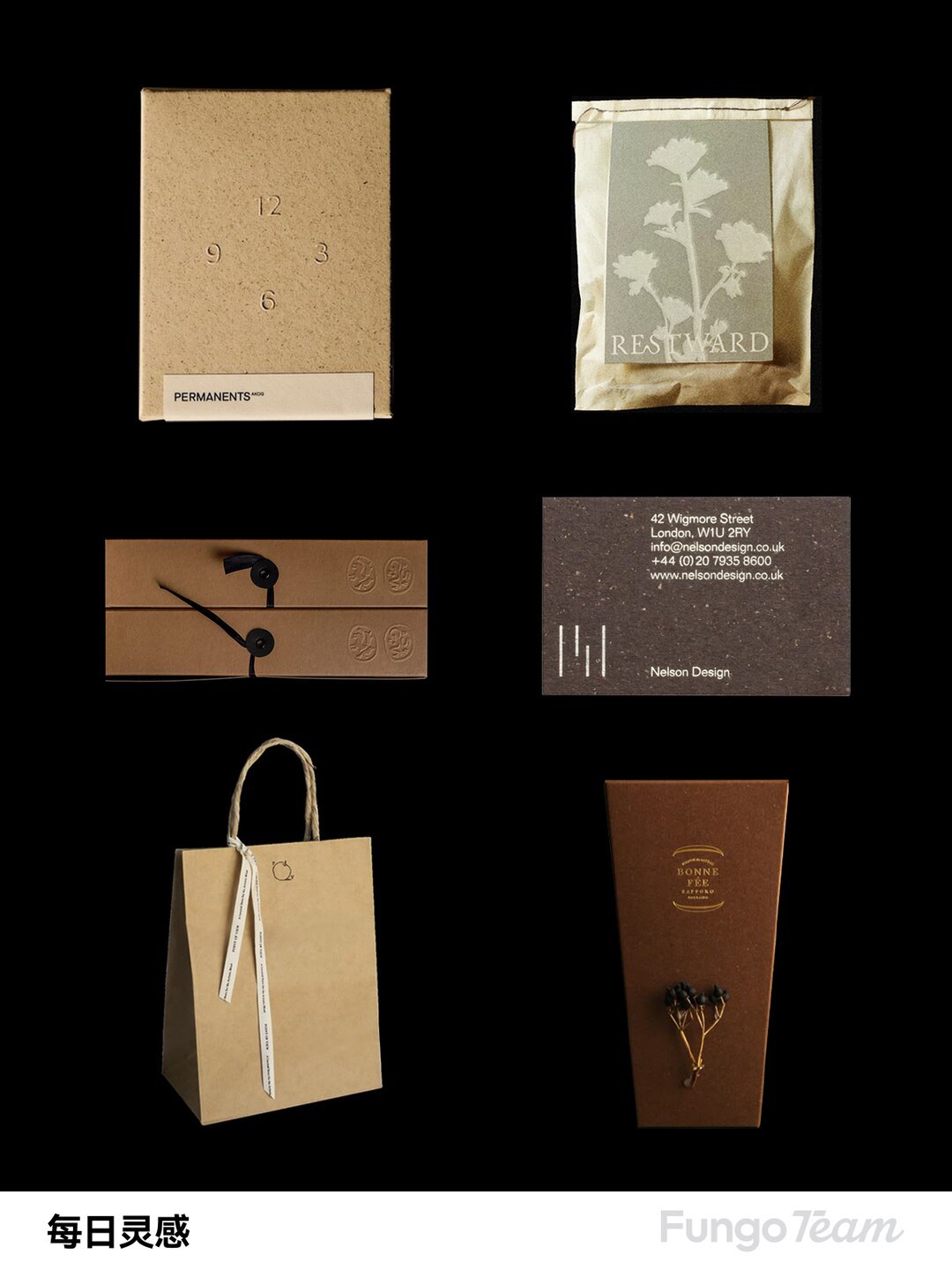
Across the posts we collected, three phrases appear again and again in comments: "what is the minimum?", "can you send a sample first?", and "the custom box is too expensive at my volume".
The third one is the interesting one, because the answers people give each other are almost never "find a cheaper factory". They are structural:
Custom boxes are just too expensive when you are small. I ended up designing stickers and putting them on kraft mailers instead — same shelf presence, a tenth of the commitment. Cross-border seller, packaging cost thread
That is a real strategy, and it works because the first order's job is not to be perfect. It is to answer three questions: does the structure protect the product, does the size fit the shipping box, and does the unboxing produce the reaction you hoped for.
Need this checked against a real structure? ForestPackage quotes custom boxes, inserts and mailers with free structural proofs.
Get a quoteA first order that answers those three questions can be small, cheap and fast. The sequence:
Run this loop three times and you will know more about your packaging than a brand that spent a year on a single premium run.
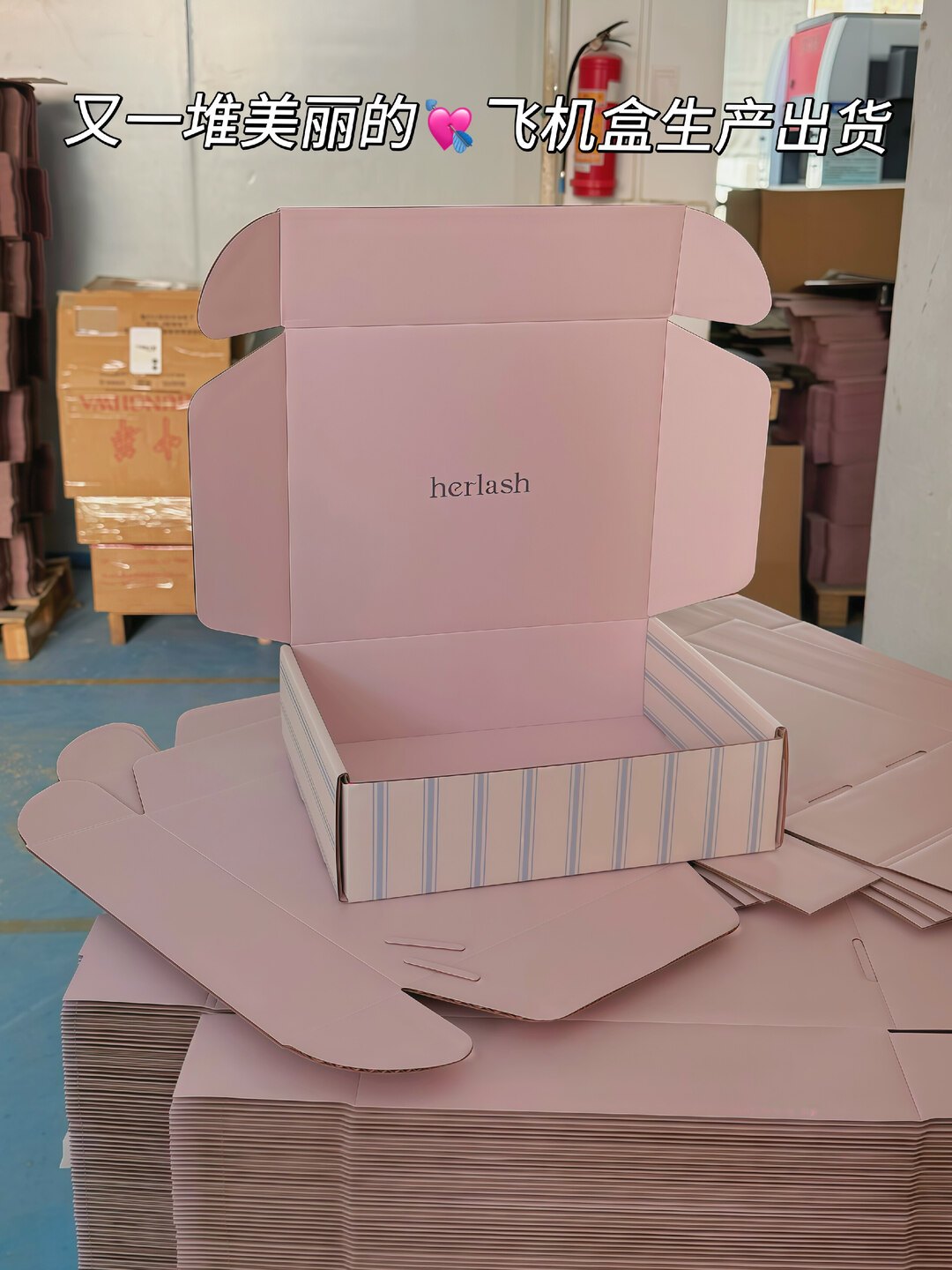
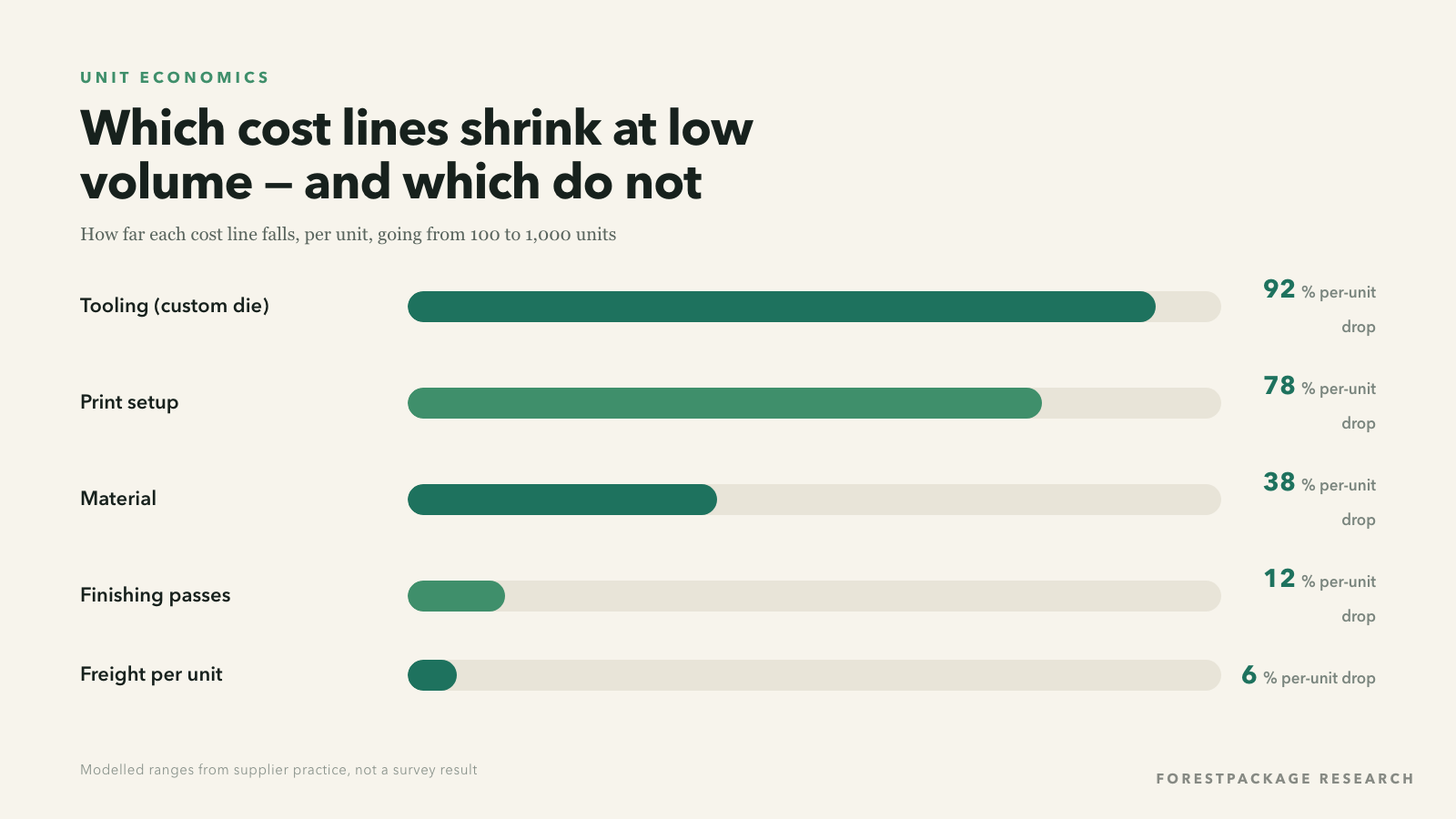
At 100 units, some costs vanish and others become dominant.
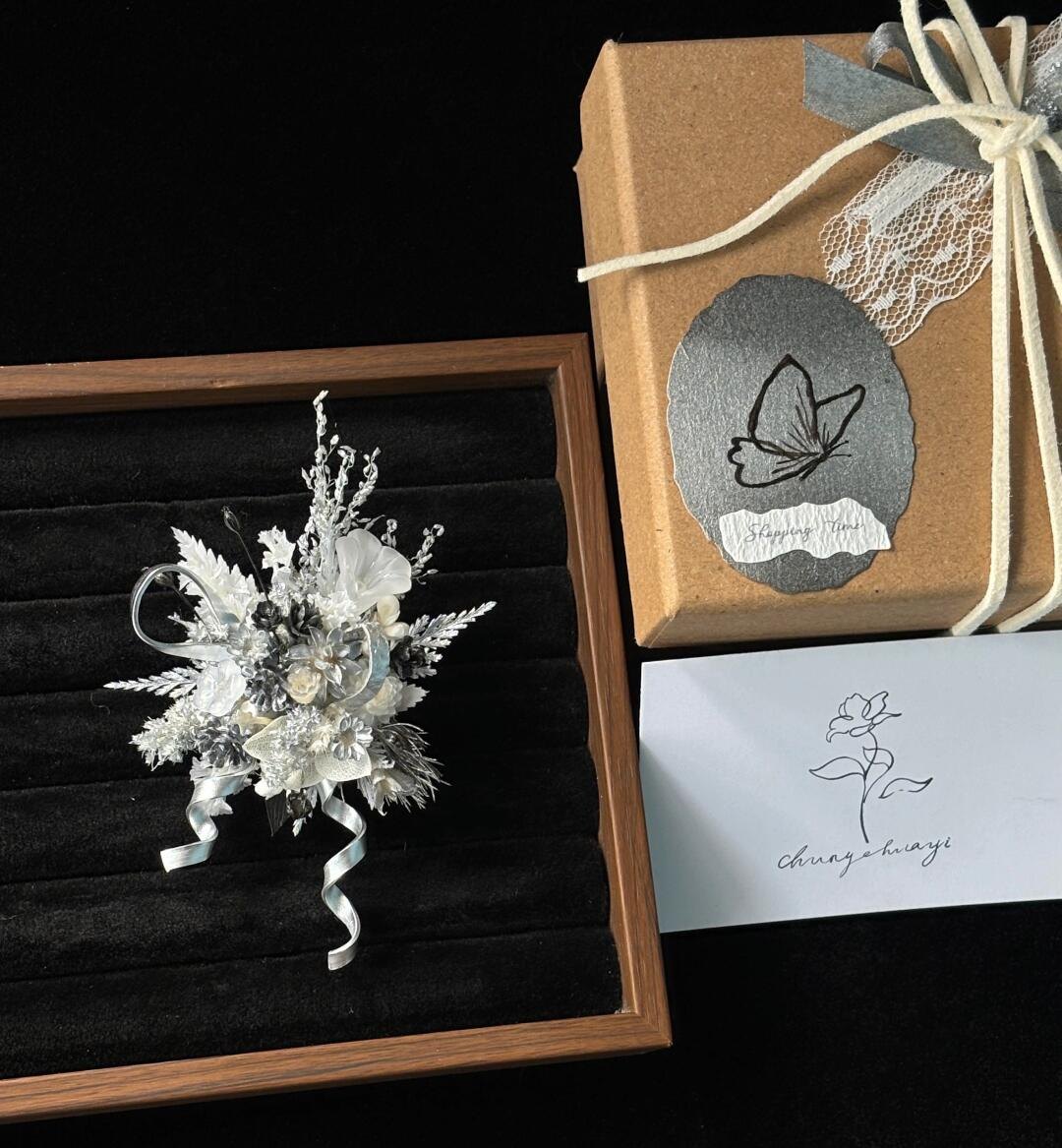
Move to a larger run when three things are true together: the damage rate is below roughly 1%, the unboxing generates unprompted photos or comments, and the unit cost is a stable percentage of the product price rather than a guess. Until all three hold, a bigger order buys inventory, not learning.
I want to customise a box — how do I even start? Every factory I message asks for a quantity I cannot afford yet. Comment on a small-batch post
The honest answer to that comment is that the first order does not need a factory to say yes to your volume. It needs a structure simple enough to run at your volume, and a supplier who will tell you which of the four routes above fits.
I want to customise a box — how do I even start? Every factory I message asks for a quantity I cannot afford yet.
Fifty units and three-day turnaround — is that real? Because my last supplier quoted me 1,000 minimum and six weeks.
The first packaging order exists to be replaced. Judged that way, the right spend is the smallest one that produces a real signal — and the brands that win are the ones that ran the loop three times while their competitors were still waiting for a 5,000-unit delivery.
Yes, on a digital press with a stock or library structure. Tooling is what makes small runs expensive: a custom die on 100 units can be a third of the order value, while printing on an existing die removes that line entirely. Expect a higher unit price and approximate Pantone accuracy.
A stock mailer or carton with a printed label, a stamped mark or a printed belly band. It costs a fraction of a custom box, ships immediately, and many brands keep it permanently for low-volume SKUs even after they scale.
When three things are true together: damage is below 1%, the unboxing generates unprompted photos or comments, and the unit cost is a stable percentage of the product price. Until all three hold, a bigger order buys inventory rather than learning.
Send a size, a quantity and a deadline. You will get a costed answer with a dieline, a material recommendation and a production calendar — not a brochure.
Method. This series reads 377 posts, with 147 touching small-batch production on packaging design, materials and small-batch production, plus the comment threads underneath them. Quotes are translated from Chinese and lightly edited; account names are withheld. Photographs are published by their creators on Xiaohongshu and are used here as illustrative references — clear rights with the creator before any commercial republication.
Written for forestpackage.com — custom boxes, rigid boxes, mailers and inserts, produced in the USA and China.
Approx. 1,064 words · 5 photographs · 1 data figure

Subscribe to our
Enter your email address and enjoy exclusive access to special offers and news.


This video is about three low-cost packaging methods for early-stage brands, based on what I have learned designing for small teams. None of them need a four-figure tooling budget.