


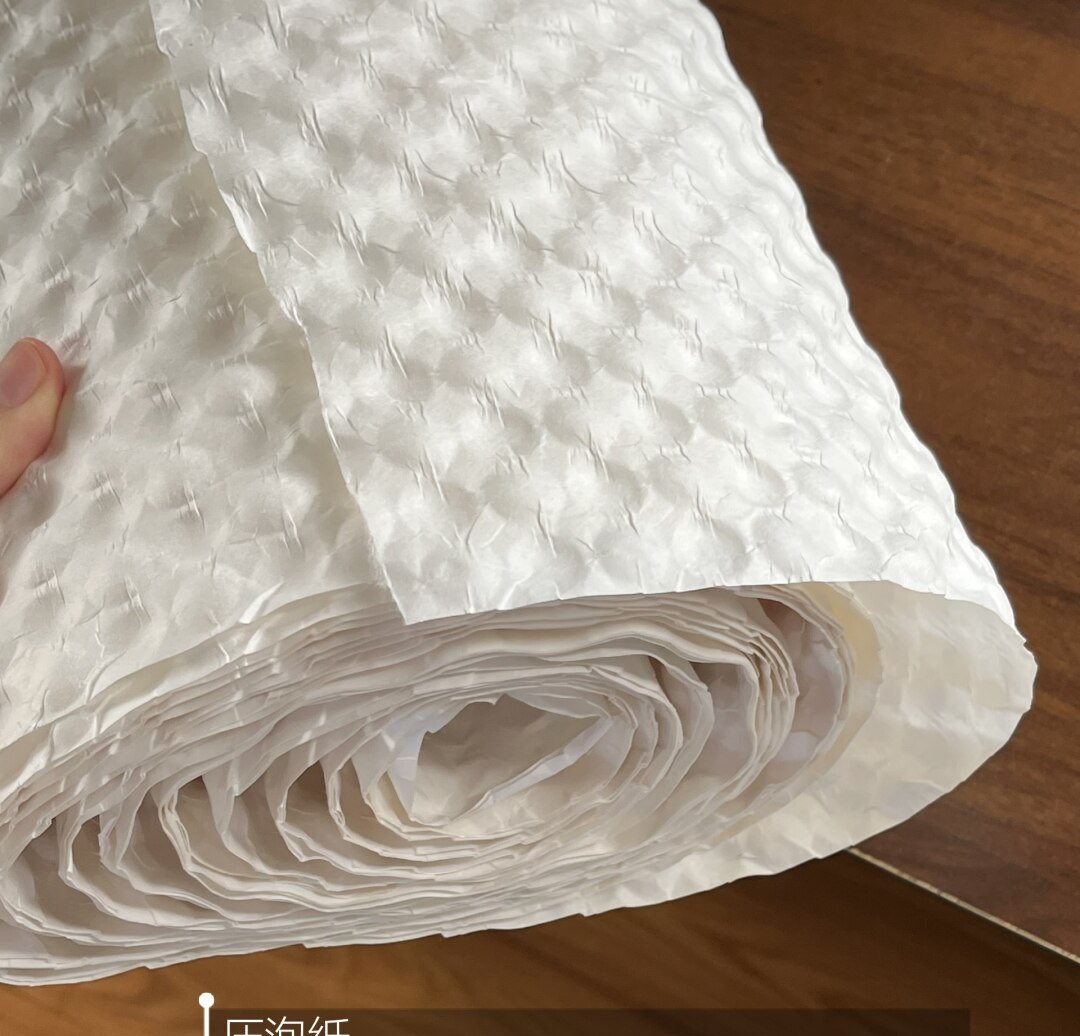
Your beautiful carton is judged twice — on the shelf and at the doorstep. Only one of those moments can be redesigned after the fact.
Damage is a measurable outcome of four variables: fragility, void, compression strength and handling events. A parcel typically sees 4–12 impacts and is dropped from about 1.2 m at sorting. Most failures come from a box sized to the shelf rather than the product, and from an insert added after the structure was fixed.
Every packaging brief contains a sentence like "it needs to arrive safely". Almost none of them contain a number. That omission is why so many brands discover their packaging's real performance only after a month of replacement orders.
Damage is not bad luck. It is a measurable outcome of five variables: the product's fragility, the void between product and box, the box's compression strength, the number of handling events, and the humidity and temperature the parcel meets on the way.
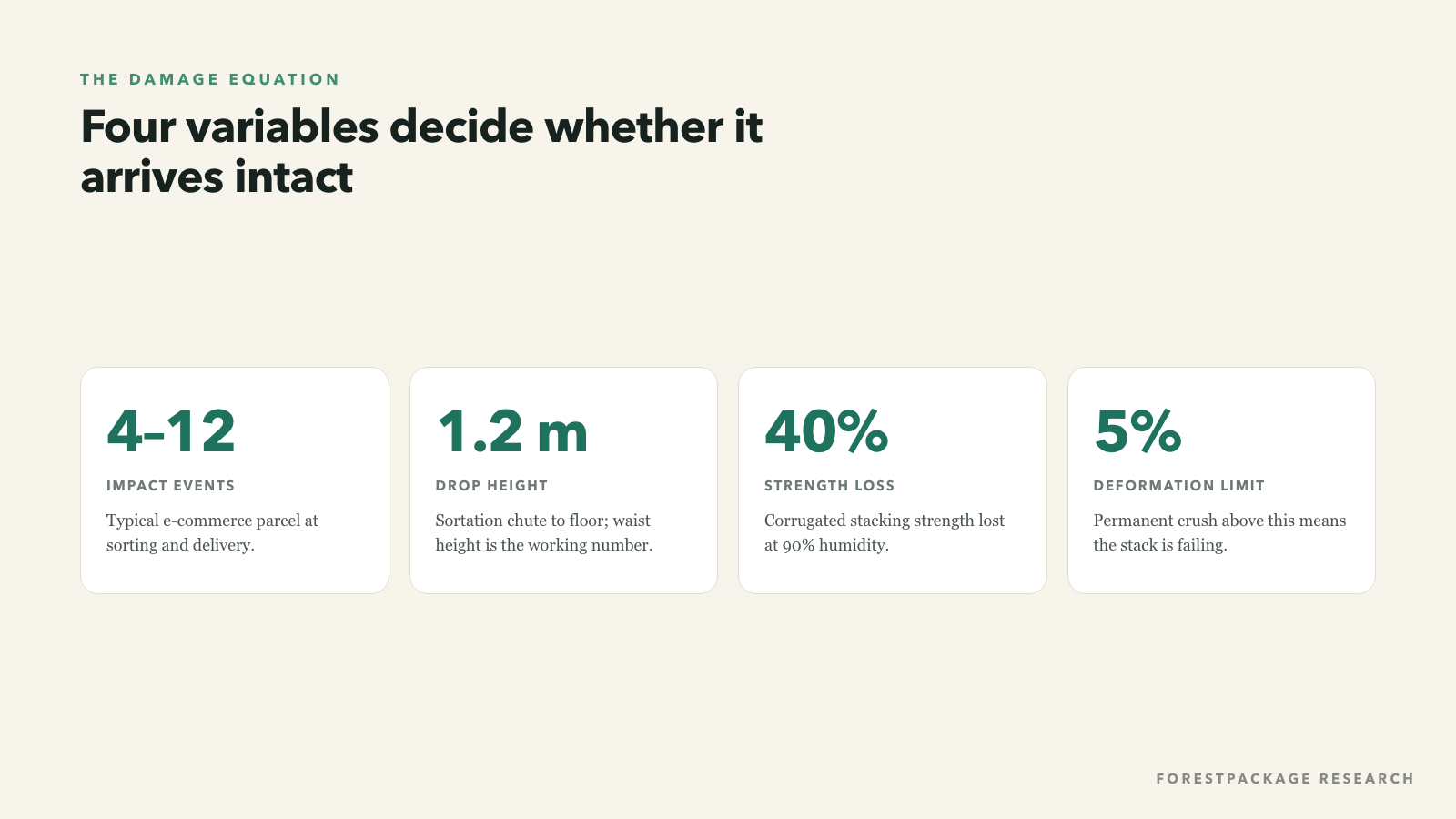
Drop. A parcel is dropped from waist height at sorting centres, thrown into vans, and tipped out of cages. A typical e-commerce parcel sees between four and twelve impact events. A carton corner that lands flat transfers almost all of that energy into the product.
Compression. Parcels are stacked. A box that is strong on its own may collapse when nine identical boxes sit on top of it in a warm warehouse for a month. Compression strength falls sharply as humidity rises — a corrugated box can lose 40% of its stacking strength at 90% relative humidity.
Vibration. Long-haul vibration loosens caps, abrades printed surfaces and works tapes loose. It is the quiet cause of "the lid was open when it arrived" complaints.
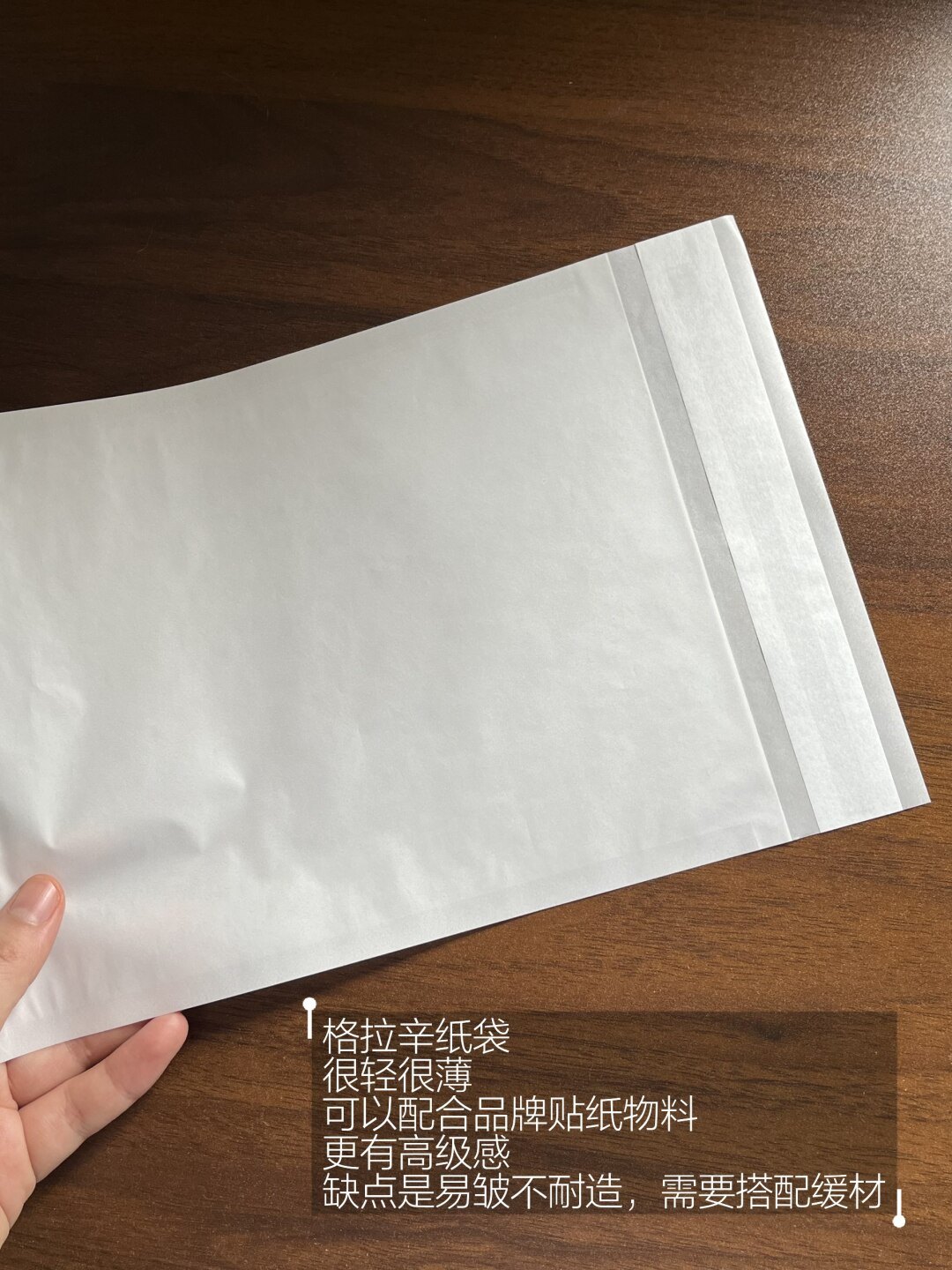
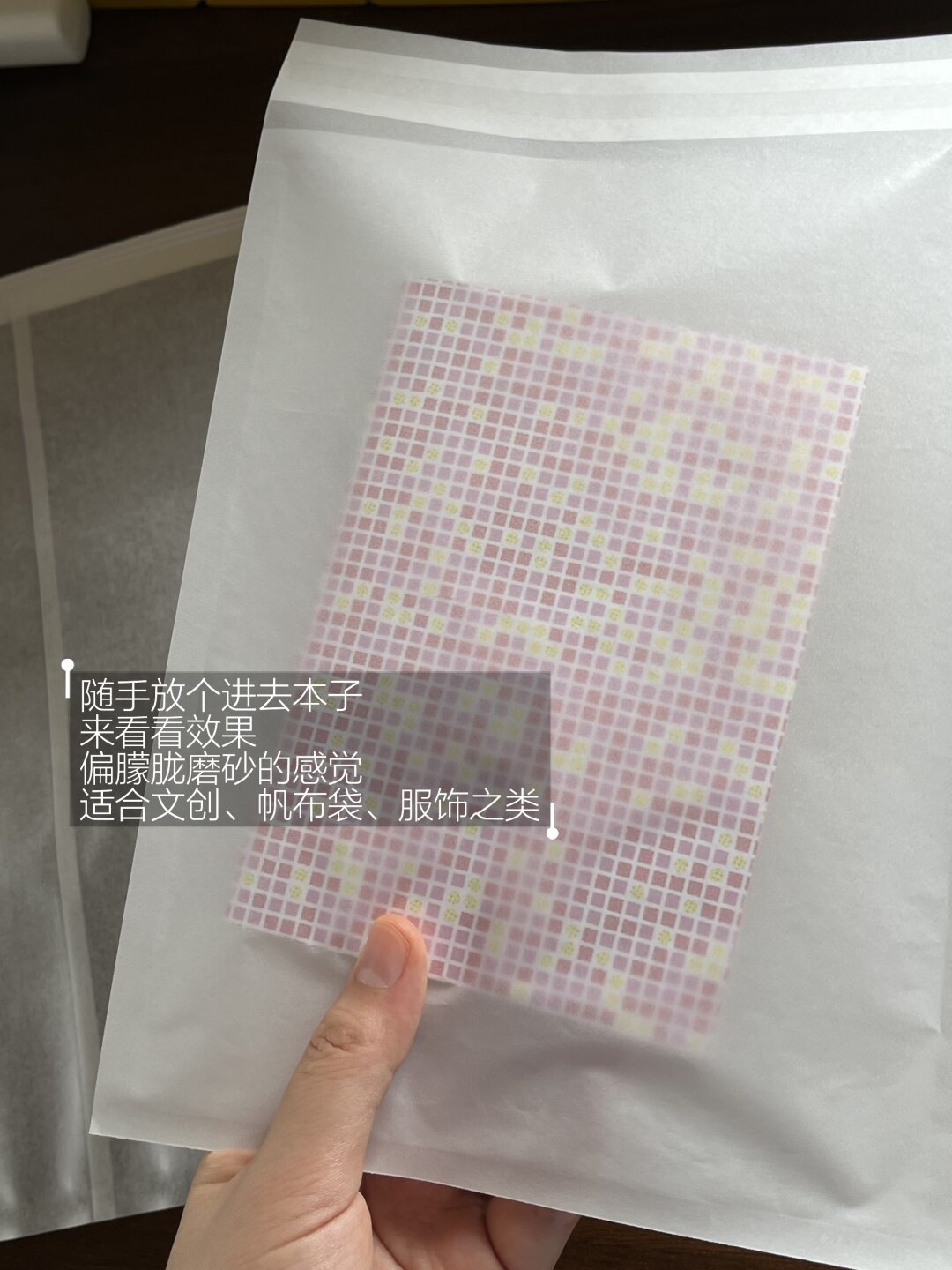
Brands often buy protection twice: a rigid gift box inside a corrugated shipper inside a poly mailer, with void fill in all three. The layers are not equally useful.
That last point is the expensive one. A rigid box that travels as the outer parcel will arrive scuffed, dented at the corners and possibly opened. The fix is not a stronger rigid box; it is a shipper.
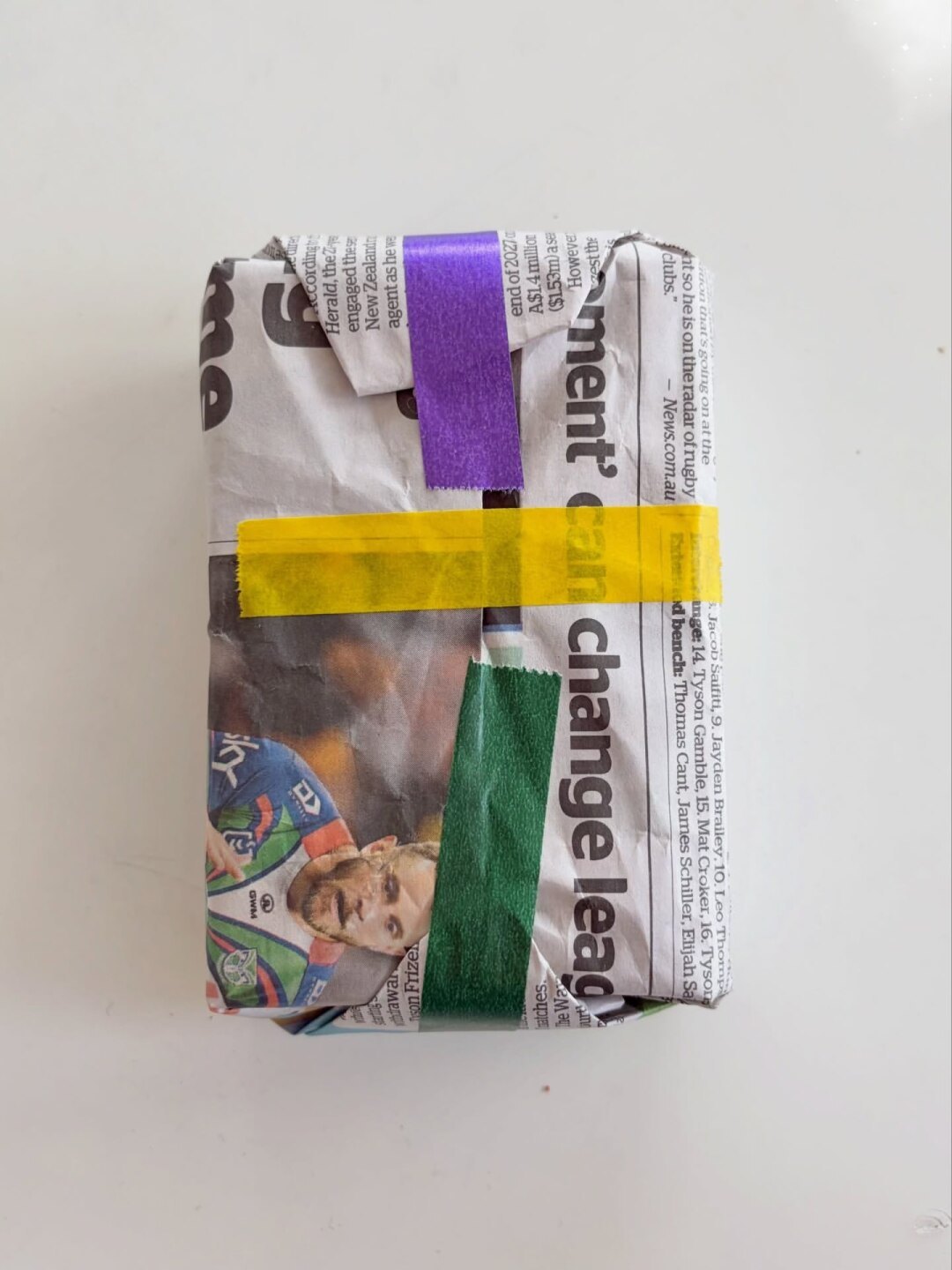
A few wraps of bubble wrap would have protected it perfectly. Why it was sent like that I will never understand. Comment on a marketplace unboxing thread
Need this checked against a real structure? ForestPackage quotes custom boxes, inserts and mailers with free structural proofs.
Get a quoteYou do not need a laboratory to catch the failures that matter. Three tests, run on a handful of samples, will find most of them.
1. The waist-height drop. Drop the packed parcel five times: flat, edge, corner, and twice more on random faces. Open it. Photograph the product and the box.
2. The 24-hour stack. Stack boxes four high in a warm room. Measure the height of the bottom box before and after. Any permanent deformation above 5% is a warning.
3. The shake. Hold the parcel by the top and shake gently. If the product moves, the insert has failed, regardless of how good it looks.
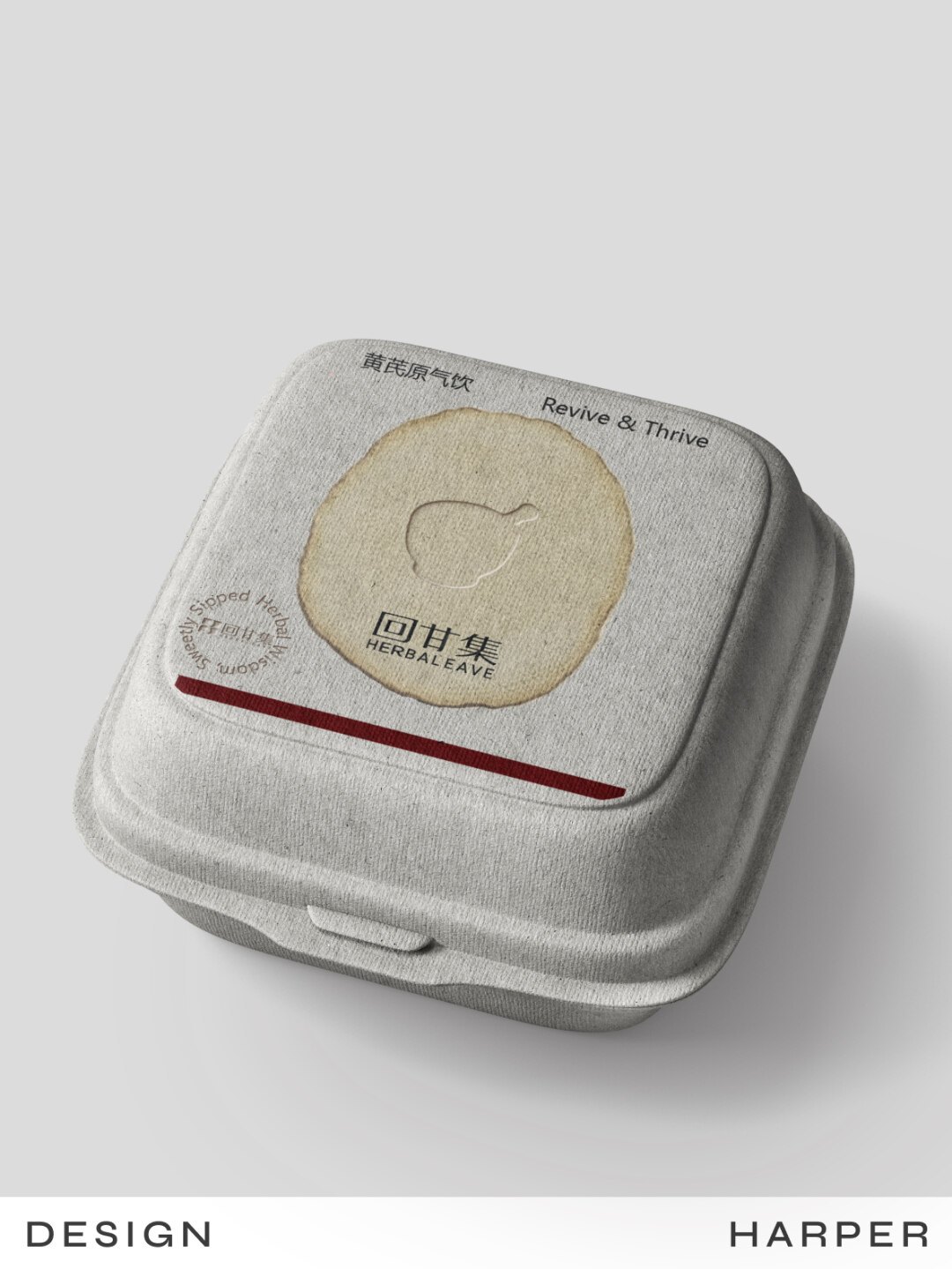
For most e-commerce, the practical hierarchy is:
Sizing matters more than material. A box with 5 cm of empty space on every side needs void fill, and void fill collapses under repeated drops. A box with 5 mm of clearance and a correct insert needs neither.
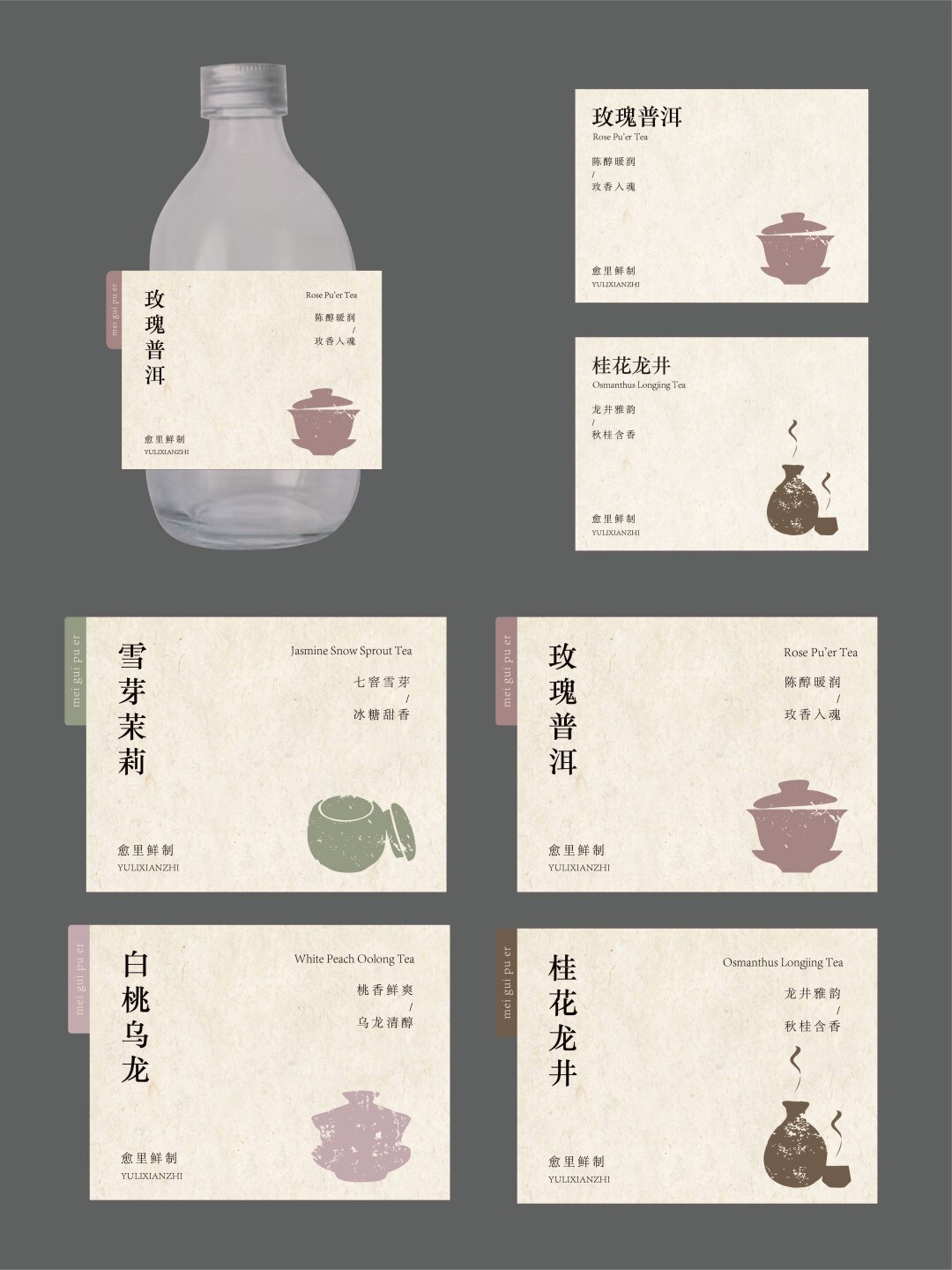
The defect rate is high on thin-corner structures — the corners bend in transit. You have to build in about 10% spares, and you only find out when the run is already done. Factory owner, production thread
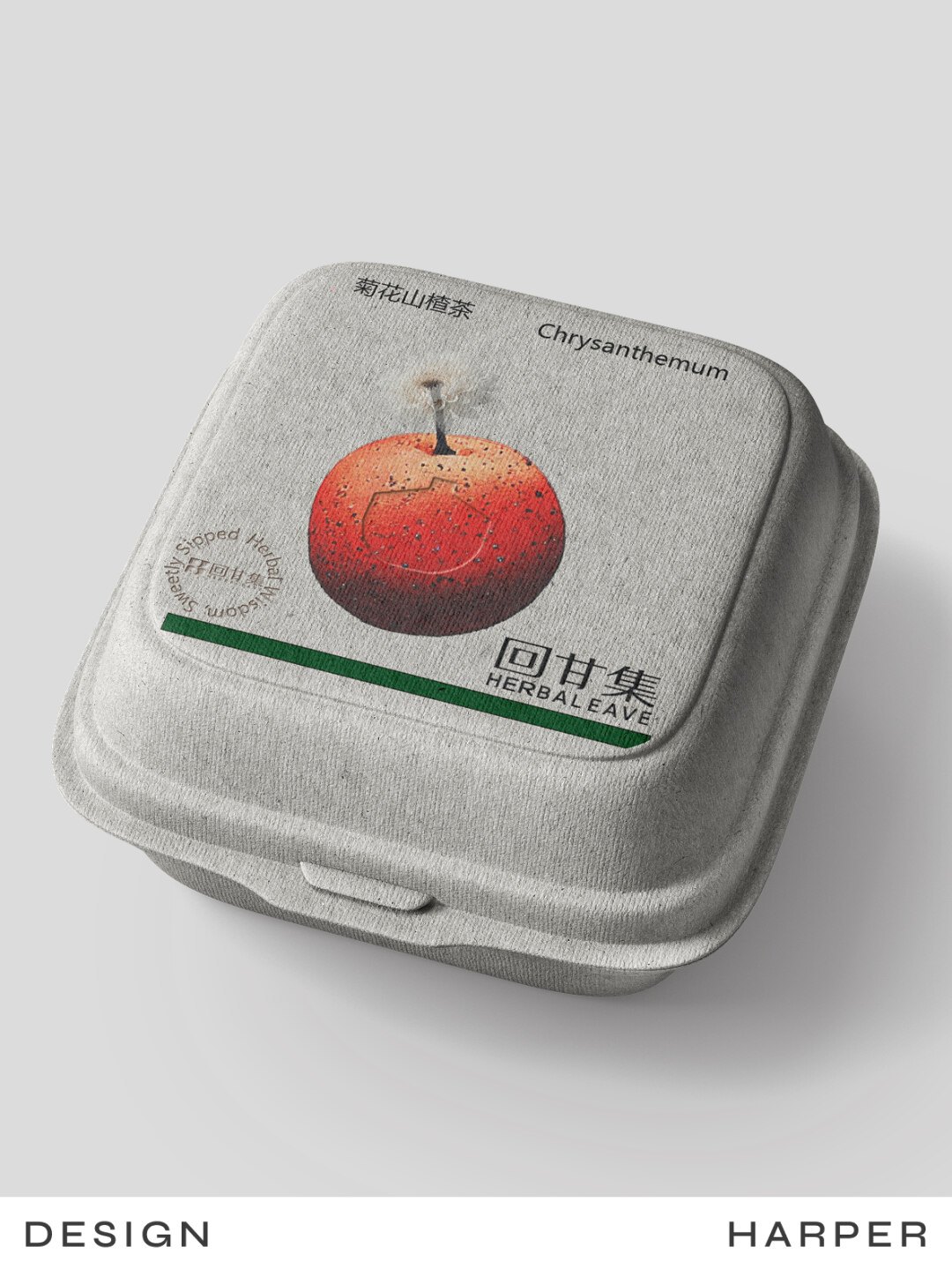
Damage costs more than the product. A replacement shipment typically costs the product plus freight plus the original shipment — and, if the customer photographs it publicly, the review. At a 3% damage rate on 2,000 orders, a brand absorbs roughly 60 replacements; at a 10% rate, 200.
The counterintuitive part is that the cheapest packaging is often the most expensive system. A lighter board, a smaller insert or a skipped void-fill step saves cents per unit and adds multiples of that per failure.
Honestly, a few wraps of bubble wrap would have protected it perfectly. Why it was sent like that I will never understand.
The defect rate is high on thin-corner structures — the corners bend in transit. You have to build in about 10% spares, and you only find out when the run is already done.
The box that arrives intact is not the most beautiful box. It is the box that was designed against a number — a drop height, a stack weight, a damage rate — instead of against a mood board. Beautiful is a bonus you can afford once the parcel survives.
Run three tests on samples: five drops from waist height (flat, edge, corner, two random faces), a 24-hour four-high stack in a warm room, and a shake test holding the parcel by the top. If the product moves in the shake test, the insert has failed regardless of how the box looks.
Only if it is designed and tested as one. A rigid gift box travelling as the outer parcel arrives scuffed and dented. Either pair it with a corrugated shipper or over-specify the retail box and accept the size penalty — but decide deliberately, not by accident.
Under 1% for most e-commerce. Above 3%, the shipper or the insert is wrong and the cost of replacements — product plus freight plus reviews — exceeds any saving on packaging. Build free replacements into the unit cost and track the rate monthly.
Send a size, a quantity and a deadline. You will get a costed answer with a dieline, a material recommendation and a production calendar — not a brochure.
Method. This series reads 377 packaging posts and 896 comments on packaging design, materials and small-batch production, plus the comment threads underneath them. Quotes are translated from Chinese and lightly edited; account names are withheld. Photographs are published by their creators on Xiaohongshu and are used here as illustrative references — clear rights with the creator before any commercial republication.
Written for forestpackage.com — custom boxes, rigid boxes, mailers and inserts, produced in the USA and China.
Approx. 1,029 words · 5 photographs · 1 data figure


Subscribe to our
Enter your email address and enjoy exclusive access to special offers and news.


People have actually counted it: roughly a 15% chance the box arrives empty. The packaging is not the problem — the last mile is.