


Recycled, recyclable, compostable, biodegradable, plastic-free. Four of those five words are doing less work than you think.
Sustainable packaging is a material and disposal decision, not a label. The claims that survive scrutiny are specific: which fibre, which coating, which stream it goes into. In our sample of 65 eco-focused posts, 15 mentioned composting but only three named a compost stream, and none showed a certification number.
Packaging sustainability is the rare topic where the marketing vocabulary outran the engineering. A box can be "100% recyclable" and still end up in landfill because of a laminated film. It can be "plastic-free" and ship with a plastic-looking coating. It can be compostable in an industrial facility that does not exist in your customer's city.
The eco-packaging posts in our sample split cleanly into two groups: designers celebrating material experiments — seaweed paper, mycelium, pineapple fibre, moulded pulp — and buyers asking the question that actually decides the project: is this affordable, and will it survive shipping?
Both questions are answerable. Neither is answered by the word on the label.
Almost all paper packaging starts with fibre, and the fibre choice drives cost, print quality, stiffness and the end-of-life story simultaneously.
"Recyclable." Means the material can be processed where facilities exist. It says nothing about whether your customer's council accepts it, or whether the coating you added prevents it. A polyethylene-laminated carton is technically recyclable and practically not.
"Made from recycled content." A material claim, verifiable and useful. It does not mean the item is recyclable, and it does not mean low carbon — recycled fibre still travels and still gets printed.
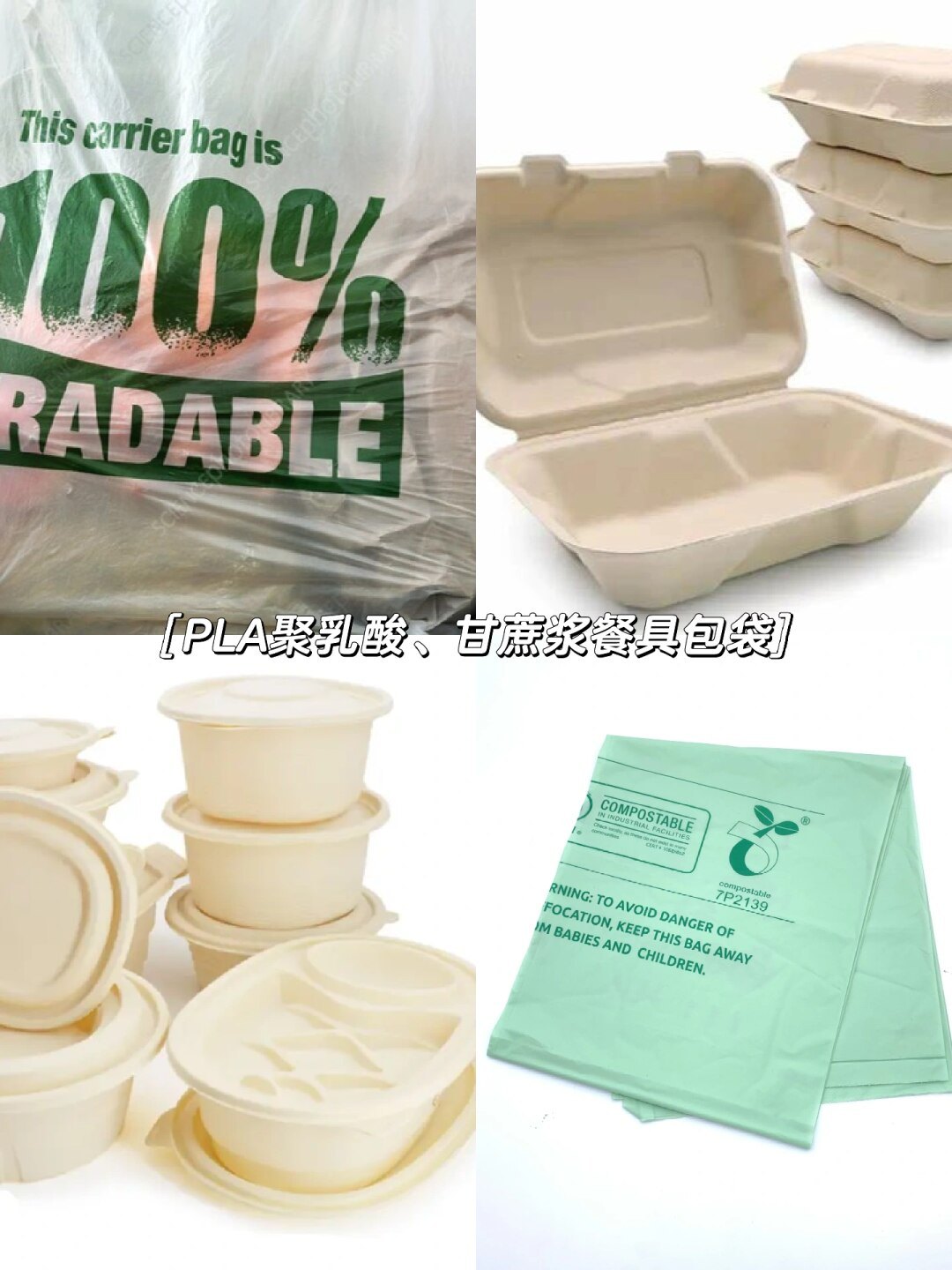
"Compostable." Usually means industrially compostable to EN 13432 or ASTM D6400. Home compost certification is a separate and stricter standard. If your customer puts an industrially compostable box in a garden bin, it behaves like waste.
"Biodegradable." The weakest claim in packaging, because everything biodegrades given decades. Without a timeframe and a disposal environment, the word is decoration.
"Plastic-free." Often true of the box and false of the tape, the label, the window film, the bag inside, or the ink binder.
It is not eco packaging if the customer needs a knife, a bin and a PhD to dispose of it. Comment on a green packaging roundup, 110 likes
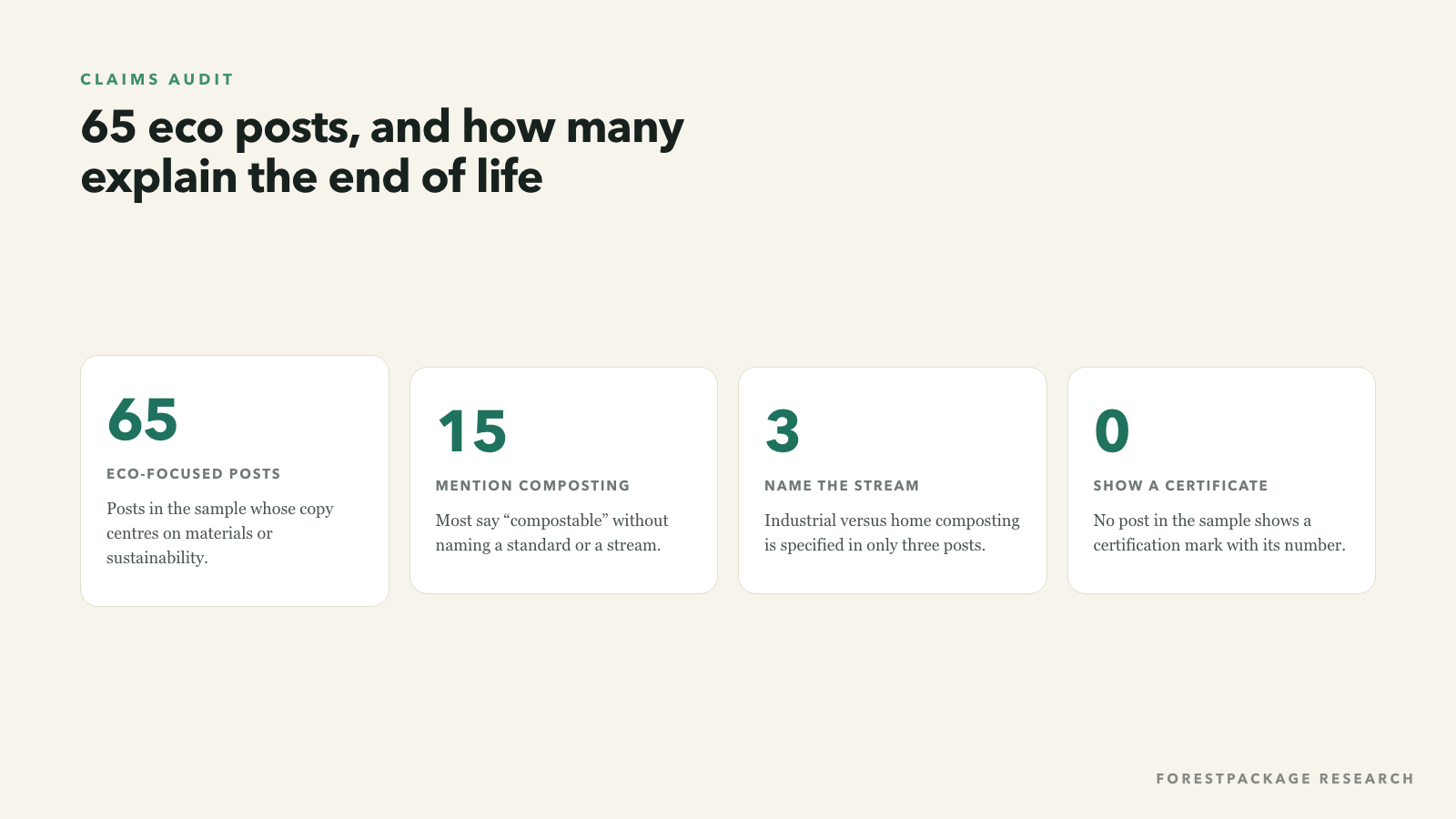
That gap — claims without disposal instructions — is the most common failure we found. Brands invest in the material and skip the two lines of copy that would make the claim meaningful.
Need this checked against a real structure? ForestPackage quotes custom boxes, inserts and mailers with free structural proofs.
Get a quoteSustainability programmes fail when they start with a material swap and a cost increase. The moves that survive a budget review are the ones that also remove cost.
1. Right-size the box. Oversized packaging is the single largest source of avoidable material, void fill and freight. Reducing a mailer from 30×20×10 cm to 25×18×8 cm typically cuts board area by a third and volumetric shipping weight by more than that.
2. Delete a layer. Many products ship in a folding carton inside a corrugated shipper inside a mailer. Two of those three layers are usually doing the same job. Removing one is simultaneously cheaper and greener, which is rare enough to be worth designing around.
3. Standardise the board. One board grade across a product line simplifies recycling messaging, reduces inventory and lets you buy at a better price. It also makes the sustainability page honest, because you can describe one material instead of six.
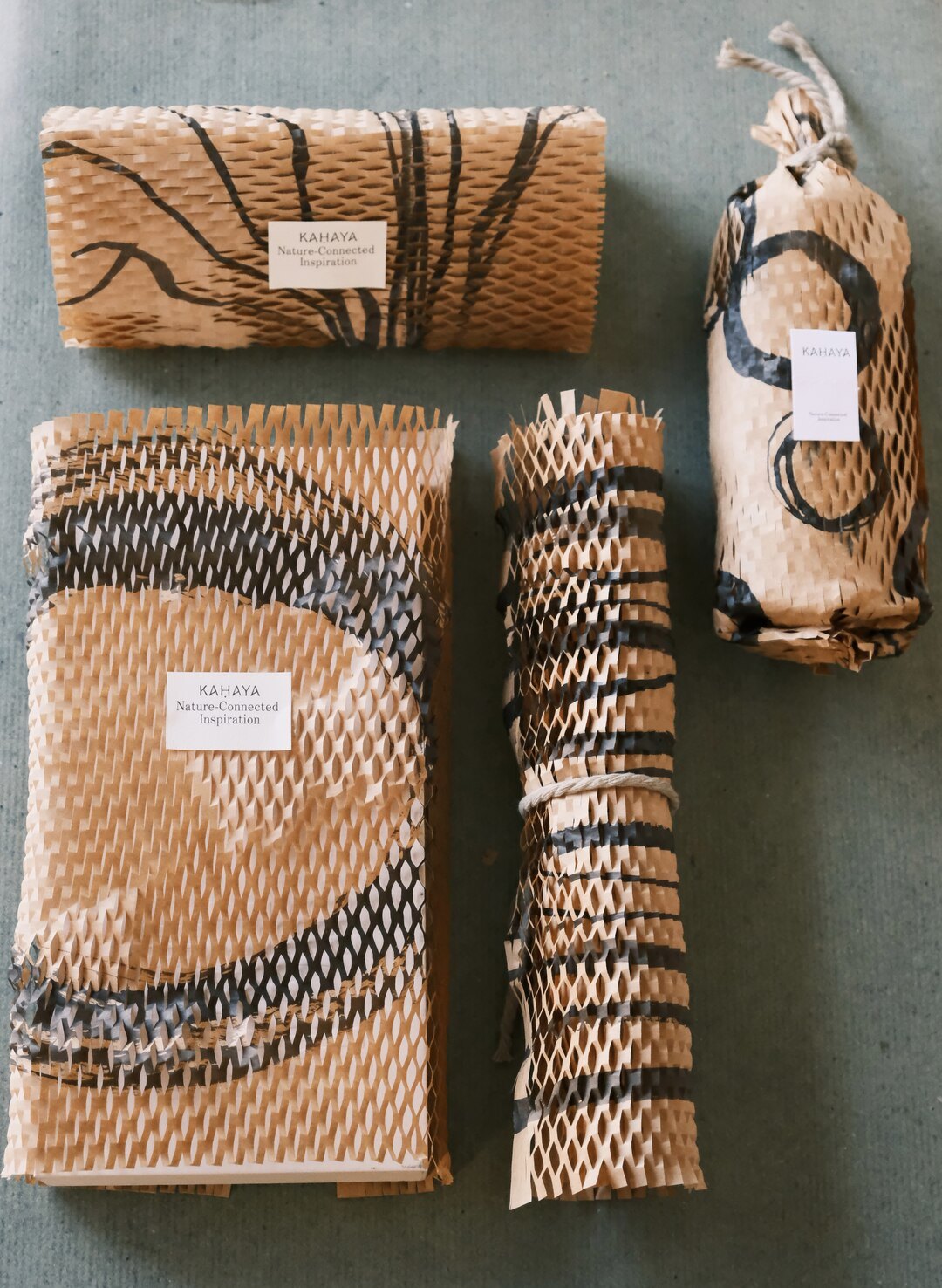
Eco materials usually cost 5–20% more than their conventional equivalent at the same specification, and the premium is not evenly distributed. Recycled kraft is often at parity. FSC board carries a small premium. Moulded pulp inserts can be cheaper than EVA foam at volume. Water-based coatings cost more than plastic lamination but remove a recycling blocker.
The expensive version of sustainability is the one that adds material, adds certification logos and adds a separate eco-branded unboxing sheet. The cheap version removes material and explains itself in one line.
I would pay a little more for packaging I can put in the paper bin without thinking. I will not pay more for a box that says "eco" and is lined with plastic. Comment on a sustainable packaging post
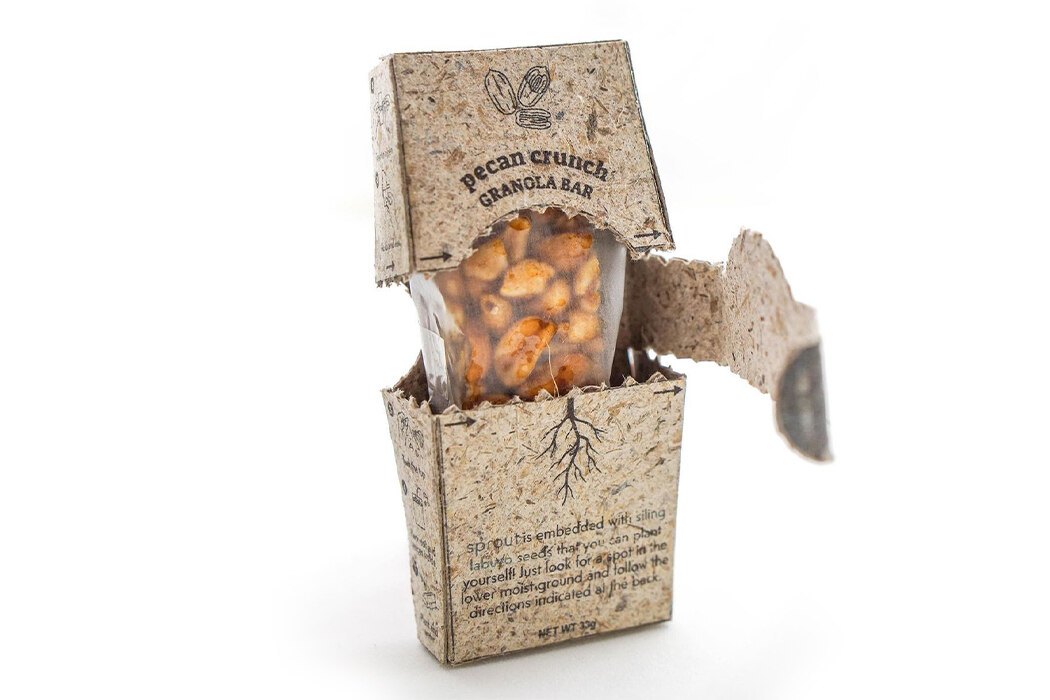
If the material story is good, the disposal line is what makes it credible. Three things earn their space:
Regulation is moving in the same direction. The EU's Packaging and Packaging Waste Regulation tightens recyclability requirements and restricts certain single-use formats; several US states now regulate the word "recyclable" when local access is limited. A claim you cannot substantiate is becoming a liability, not a differentiator.
I really want to buy this, but I cannot imagine what the packaging and shipping cost adds up to. If the price stays close to normal, I would happily pay a little more.
A lot of suppliers ship textured paper folded flat, and every time I pack an order the creases bother me. I would pay extra for paper that arrives rolled.
The sustainable box that works is rarely the most experimental one. It is the one that is slightly smaller, uses one material, explains itself in a sentence and costs the same or less than what it replaced. Everything else is a prototype — useful, beautiful, and not yet a supply chain.
That the material can be processed where facilities exist — not that your customer's kerbside scheme accepts it, and not that the coating you added allows it. A polyethylene-laminated carton is technically recyclable and practically not, which is why disposal instructions matter more than the word.
Only if a compost stream exists. Most “compostable” packs are certified for industrial composting (EN 13432, ASTM D6400); in a home bin or landfill they behave like waste. For most e-commerce, recycled fibre that goes in the paper bin outperforms a compostable pack nobody can process.
Usually 5–20% more at the same specification, and often at parity. Recycled kraft is close to virgin board on price; FSC board carries a small premium; moulded pulp inserts can be cheaper than EVA foam at volume. The expensive version is the one that adds a layer and a logo, not the one that removes material.
Send a size, a quantity and a deadline. You will get a costed answer with a dieline, a material recommendation and a production calendar — not a brochure.
Method. This series reads 377 posts on eco packaging and materials on packaging design, materials and small-batch production, plus the comment threads underneath them. Quotes are translated from Chinese and lightly edited; account names are withheld. Photographs are published by their creators on Xiaohongshu and are used here as illustrative references — clear rights with the creator before any commercial republication.
Written for forestpackage.com — custom boxes, rigid boxes, mailers and inserts, produced in the USA and China.
Approx. 1,182 words · 5 photographs · 1 data figure

Subscribe to our
Enter your email address and enjoy exclusive access to special offers and news.


Wasted resources, over-packaging, higher costs and more rubbish. A beautiful box that nobody needs is still a beautiful box that nobody needs.