



The structure decides your unboxing moment, your freight bill and your reprint risk. Here is how to choose it before the artwork exists.
Choose a rigid box when the unboxing is part of the product and the volume supports it (500+ units); choose a folding carton when print, cost and freight efficiency matter more. Rigid boxes cost three to six times a carton of the same footprint and ship assembled, so freight and storage can outweigh the manufacturing difference.
There is a moment in every packaging project when someone says "let's just do a nice box" and the room nods. That sentence hides the largest single decision in the project. A rigid box and a folding carton can be decorated identically, photographed identically and priced differently by a factor of four — and the choice changes how the product ships, how it feels in the hand and how much capital sits in your stockroom.
The posts we sampled are full of both: gift boxes that people film themselves opening, and cartons that quietly do their job in a mailer. The interesting question is not which is better. It is which one your product, your channel and your volume can actually support.
A folding carton is cut and creased from a single sheet of paperboard, shipped flat, and folded into shape at packing time. Typical board runs 250–400 gsm, or 0.3–0.6 mm. It is the default for retail shelves, cosmetics, tea, supplements, food and almost anything that hangs or stands.
A rigid box is built around a greyboard core, usually 1.0–2.5 mm thick, wrapped in printed paper. It does not fold flat. It arrives assembled, holds its shape permanently, and supports a lid that can lift, hinge, slide or magnetically snap.
The cost gap is real and structural, not a markup. Rigid boxes involve more material, more hand assembly, more volume in transit and a longer production calendar. A reasonable rule of thumb at 1,000 units: a rigid box costs three to six times a folding carton of the same footprint.
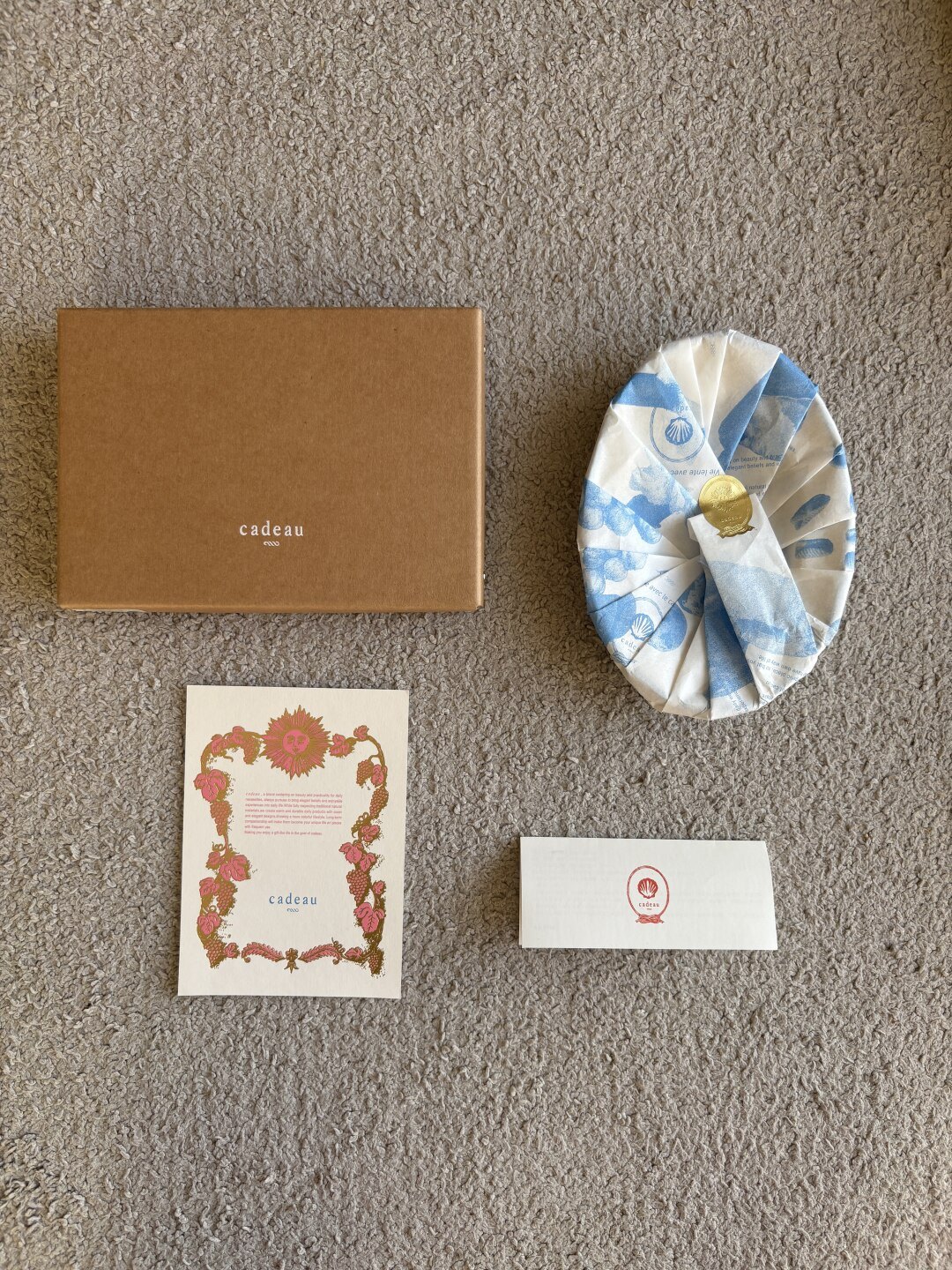
A rigid box resists compression on all faces. That matters for fragile products, for heavy products, and for anything that will be stacked in a warehouse. A folding carton resists well in one direction — the direction its flutes or its creases allow — and deforms under point loads.
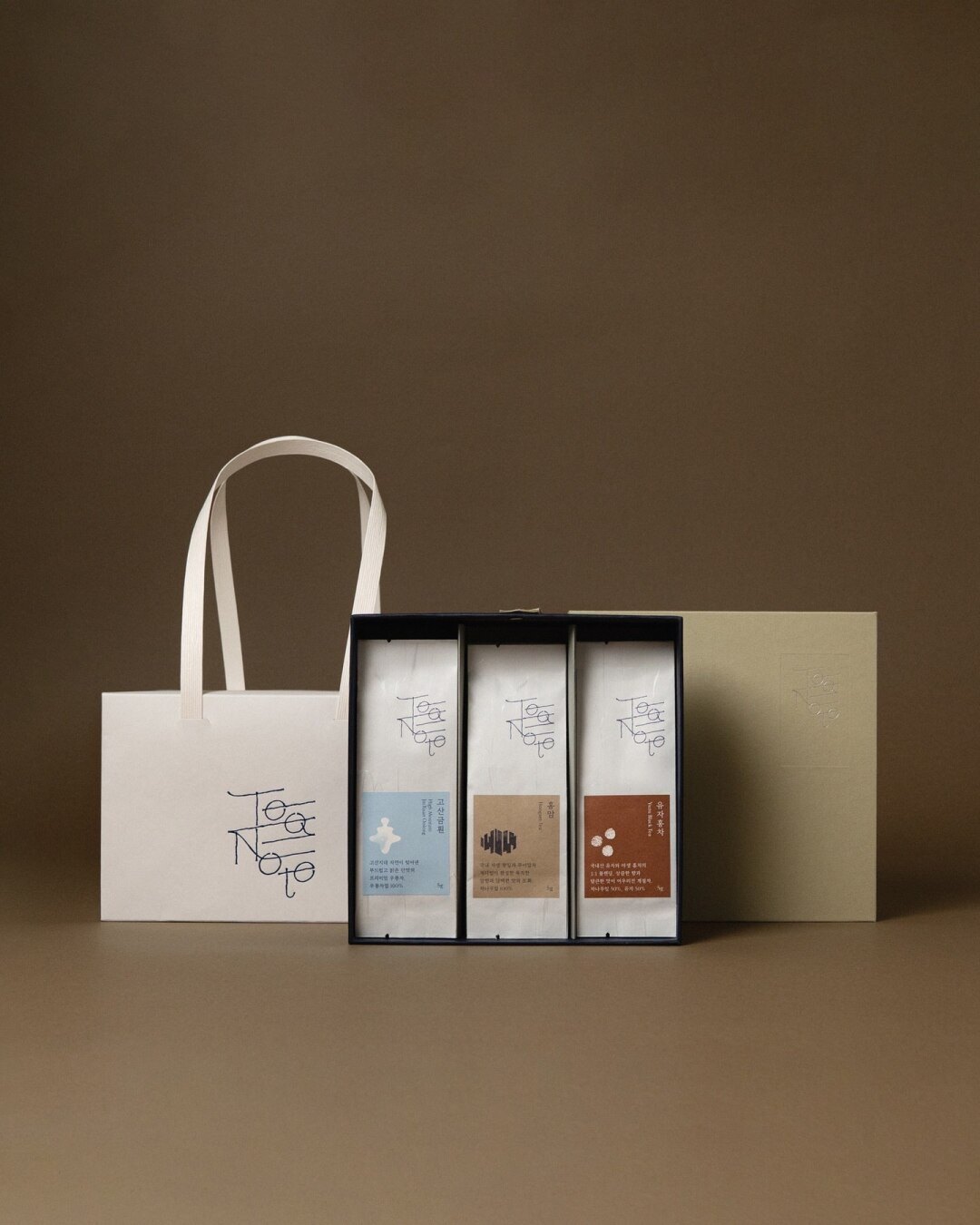
A carton opens. A rigid box reveals. The lid lift, the weight in the hand, the pause before the product appears — that sequence is the reason premium brands pay for greyboard. In the sample, posts about rigid gift boxes were consistently about the moment of opening, while posts about cartons were about print, colour and cost.
The whole point is the pause. If the lid comes off in one second, you paid for cardboard. Packaging designer, gift box thread
This is where the decision becomes financial. Cartons ship flat: 1,000 cartons might occupy 0.15 m³. Rigid boxes ship assembled: the same count might occupy 2 m³ or more, depending on size. On a sea shipment that difference is survivable; on air freight it can erase the margin of the whole order.
Need this checked against a real structure? ForestPackage quotes custom boxes, inserts and mailers with free structural proofs.
Get a quoteThe practical question is two-dimensional: how many units, and how much of the purchase decision happens in the hand versus on a shelf.
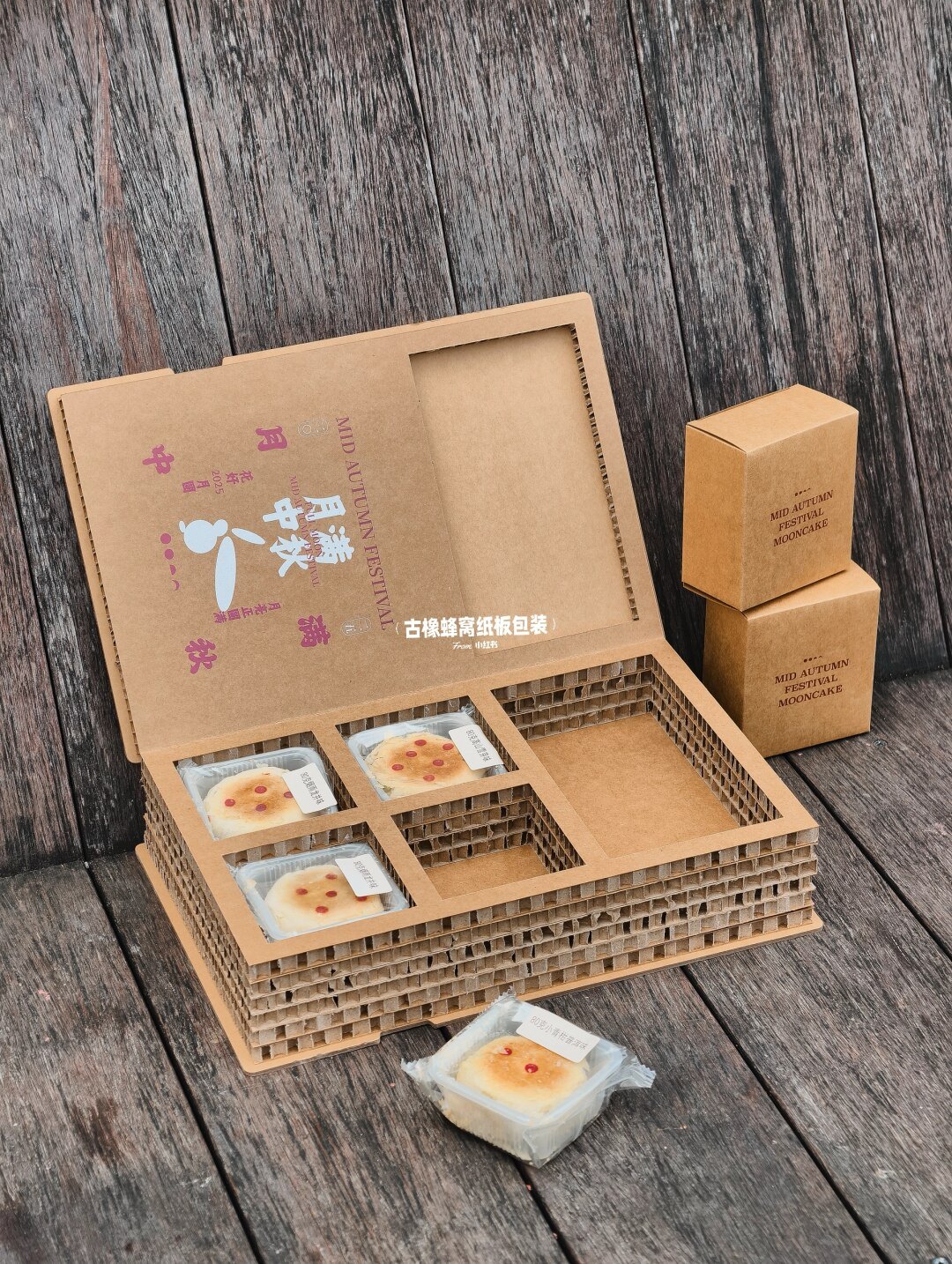
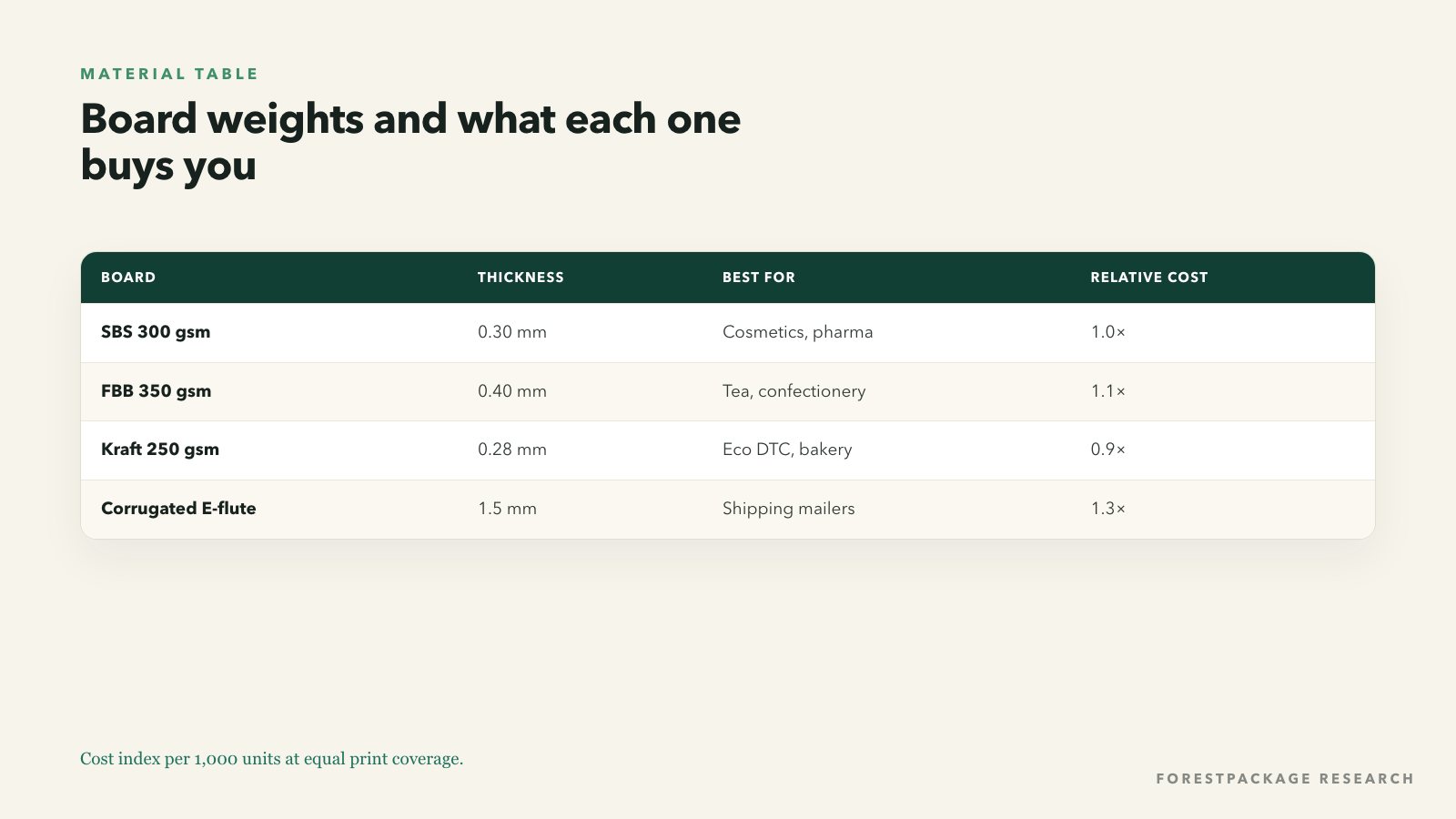
For folding cartons, the board choice is the story:
For rigid boxes, the visible material is the wrap: art paper, textured stock, fabric, leatherette, or a printed film over greyboard. The wrap is where the perceived quality lives, and it is also where most production failures happen — bubbles, lifting at corners, visible seams.
Three failure patterns repeat across the sample.
Choosing the structure after the artwork. Artwork built for a carton rarely transfers cleanly to a rigid box: bleed, fold positions and panel proportions all change. Design the dieline first.
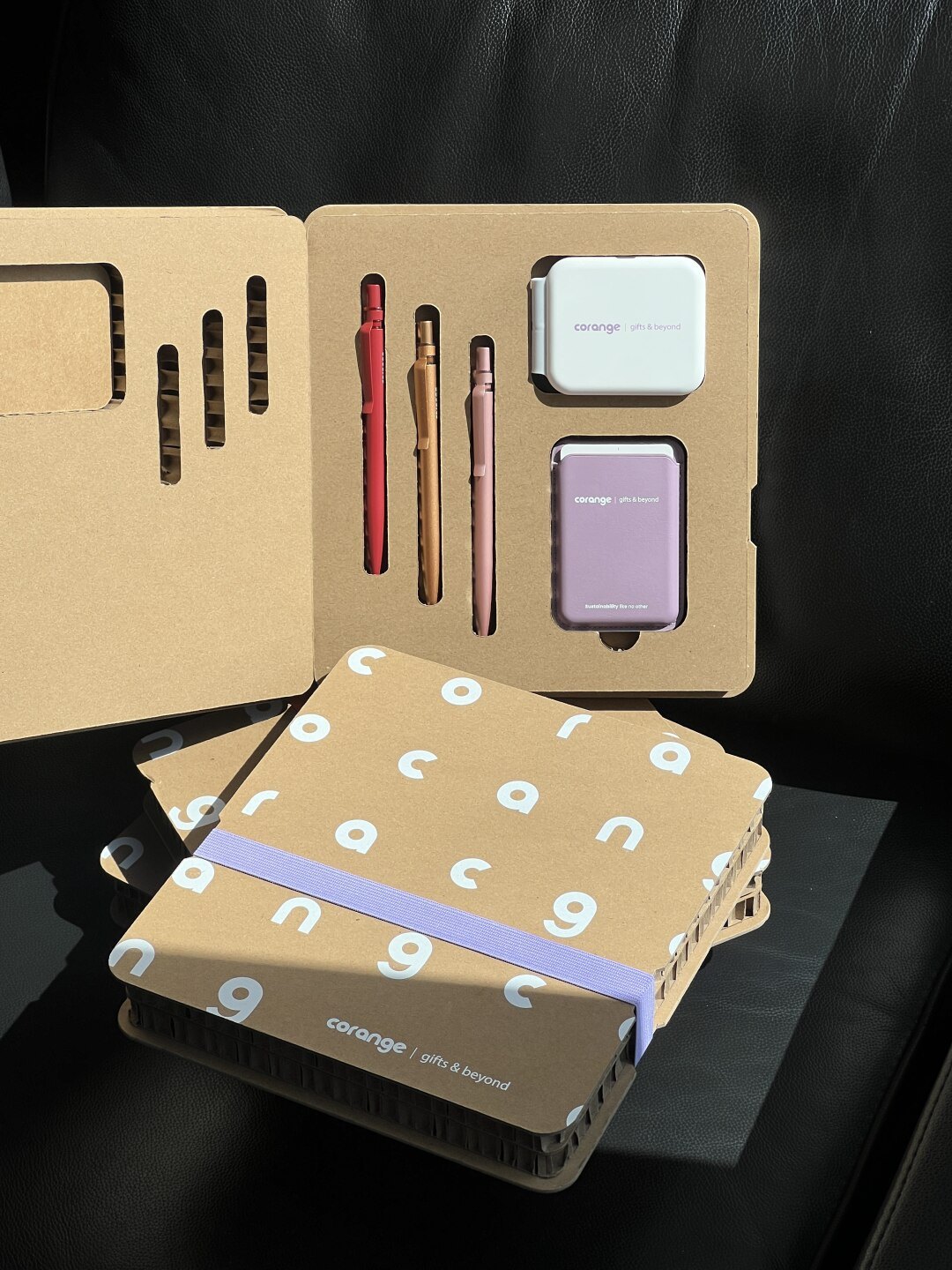
Forgetting the insert. A rigid box without an insert is a cavity. The product moves, the corners dent, and the customer photographs the damage.
I loved the design, but the product arrived sliding around inside. Beautiful box, broken bottle. Comment on a gift box post
Underestimating assembly time. Rigid boxes are partly hand-built. During Q4, capacity is the constraint, not price. Brands that order in October pay expedite fees that dwarf any saving negotiated in spring.
Before committing a full run, order one of each and do three things: drop each from waist height inside its shipping carton, stack five of each for a week, and open each in front of someone who has never seen the product. The structure that survives all three is the structure to scale.
I wish the inner lid had been mint green instead of white. The white lid looks a little out of place against the rest of the box.
Sorry everyone — stock sold out. We made 2,000 units for the first run and they went in a week. The second batch is in production now, seven days out, still with the gift packaging and the apple card.
The structure is the one decision that is genuinely expensive to reverse. Everything else — colour, finish, insert, even the copy on the back — can be revised on the next run. Get the box right first, and the rest of the project has somewhere to live.
At 1,000 units, expect three to six times the unit cost for the same footprint, plus higher freight because a rigid box ships assembled and mostly empty. The gap narrows when the carton carries heavy finishing, and widens on small runs where rigid assembly is manual.
Yes. Board weight, one tactile finish and a precise crease do most of the work. A 350 gsm carton with soft-touch lamination and a debossed mark often photographs closer to a rigid box than brands expect — at roughly a third of the cost.
When the product is bought as a gift, priced in the top tier of its category, and the opening moment is photographed or shared. Below roughly 500 units the tooling and assembly usually make rigid boxes uneconomic regardless of positioning.
Send a size, a quantity and a deadline. You will get a costed answer with a dieline, a material recommendation and a production calendar — not a brochure.
Method. This series reads 377 packaging posts on structure and materials on packaging design, materials and small-batch production, plus the comment threads underneath them. Quotes are translated from Chinese and lightly edited; account names are withheld. Photographs are published by their creators on Xiaohongshu and are used here as illustrative references — clear rights with the creator before any commercial republication.
Written for forestpackage.com — custom boxes, rigid boxes, mailers and inserts, produced in the USA and China.
Approx. 1,197 words · 5 photographs · 1 data figure


Subscribe to our
Enter your email address and enjoy exclusive access to special offers and news.


The packaging was genuinely sturdy. When I opened the shipping carton, the gift box inside looked beautiful — I just did not manage to photograph it in time.