


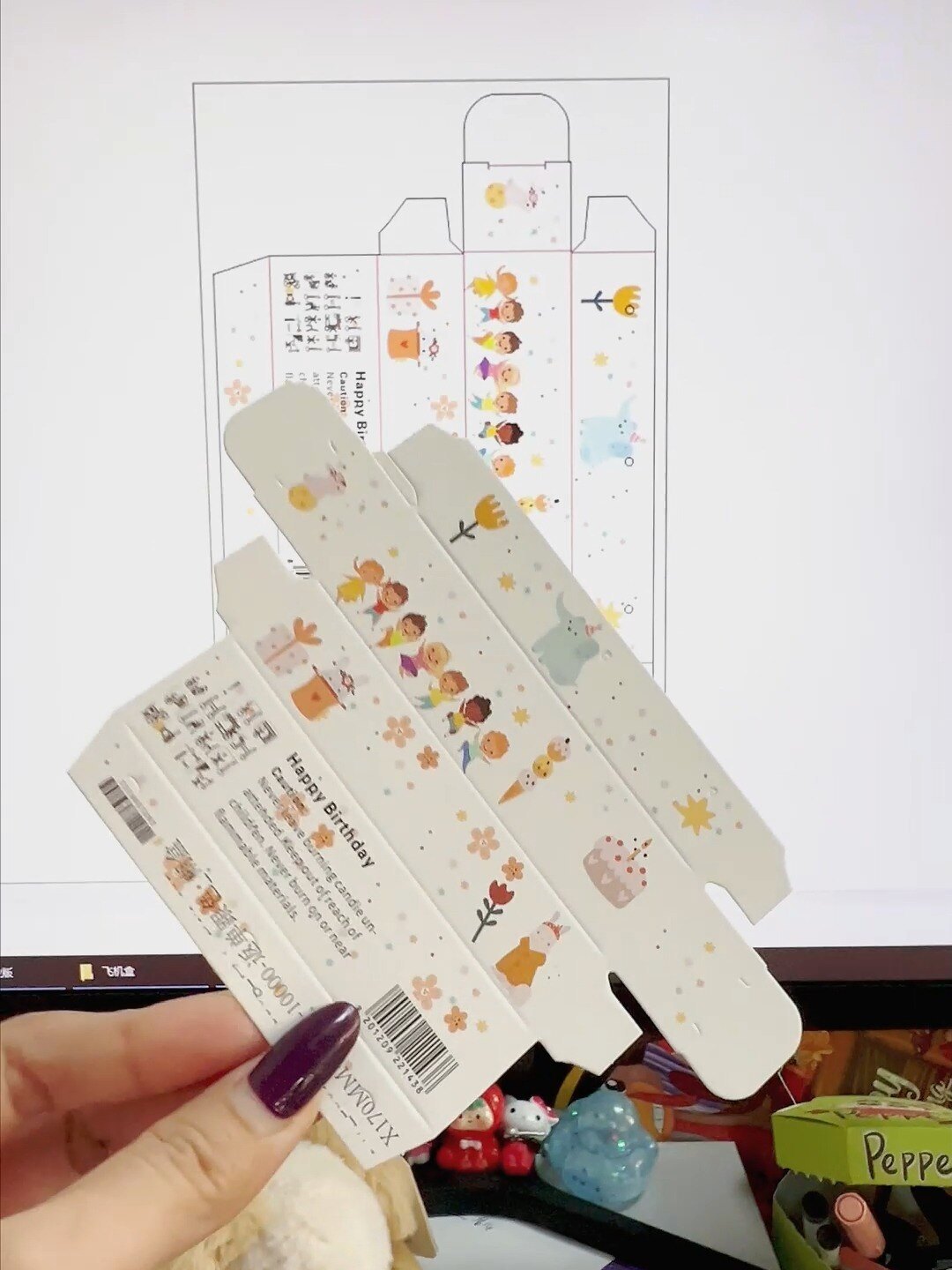
Quotes for the same carton can differ by 40% and still both be honest. Here is what is actually inside the number, and which lines you can move.
A custom box costs the sum of six lines: board, print, finishing, tooling, insert and freight. At 1,000 units a folding carton typically lands between US$0.60 and US$1.80 depending on board weight and finish count. Quotes for “the same box” differ by 30–40% because suppliers price different objects, quantities and risk spreads — not because one is overcharging.
Most founders compare packaging quotes the way they compare hotel rooms: a single number, a gut feeling, a decision. Then the box arrives, the insert does not fit, the second run costs more than the first, and the "cheap" supplier turns out to have been quoting a different object entirely.
We read through 377 packaging posts and the comment threads underneath them. The same anxiety appears in almost every language and every category: why is this box so expensive, and why does nobody quote the same thing twice?
The answer is that a custom box is not a product with a price. It is a stack of decisions with a price attached to each one, and almost every line can be moved — up or down — without changing how the box looks on a shelf.
A carton quote is assembled from six cost centres. Suppliers fold them together, which is why two quotes for "the same box" can land 40% apart and both be correct.
Paperboard is priced by weight, not by area, and the market moves monthly. A 350 gsm SBS carton and a 300 gsm kraft carton can look identical in a photo and sit 30% apart in cost. Heavier board buys stiffness, better print laydown and a cleaner crease — it does not buy a better design.
Offset printing has a fixed setup cost per colour per side: plates, makeready, wash-up. That setup is why 500 units of a four-colour box can cost more per unit than 5,000 units. Digital printing removes most of the setup and adds a per-sheet cost, which is why it wins below roughly 1,000 units and loses above it.
Foil stamping, embossing, spot UV, soft-touch lamination and window patching are all separate passes through separate machines. Each pass has a minimum charge regardless of quantity. Five finishes on a 300-unit run is often the single most expensive decision in the whole project — more than the board itself.
A new dieline means a new cutting die. Simple dies are cheap; dies with windows, locks, tear strips or unusual radii are not. If you can start from an existing library die, you remove this line entirely, which is the fastest saving available to a small brand.
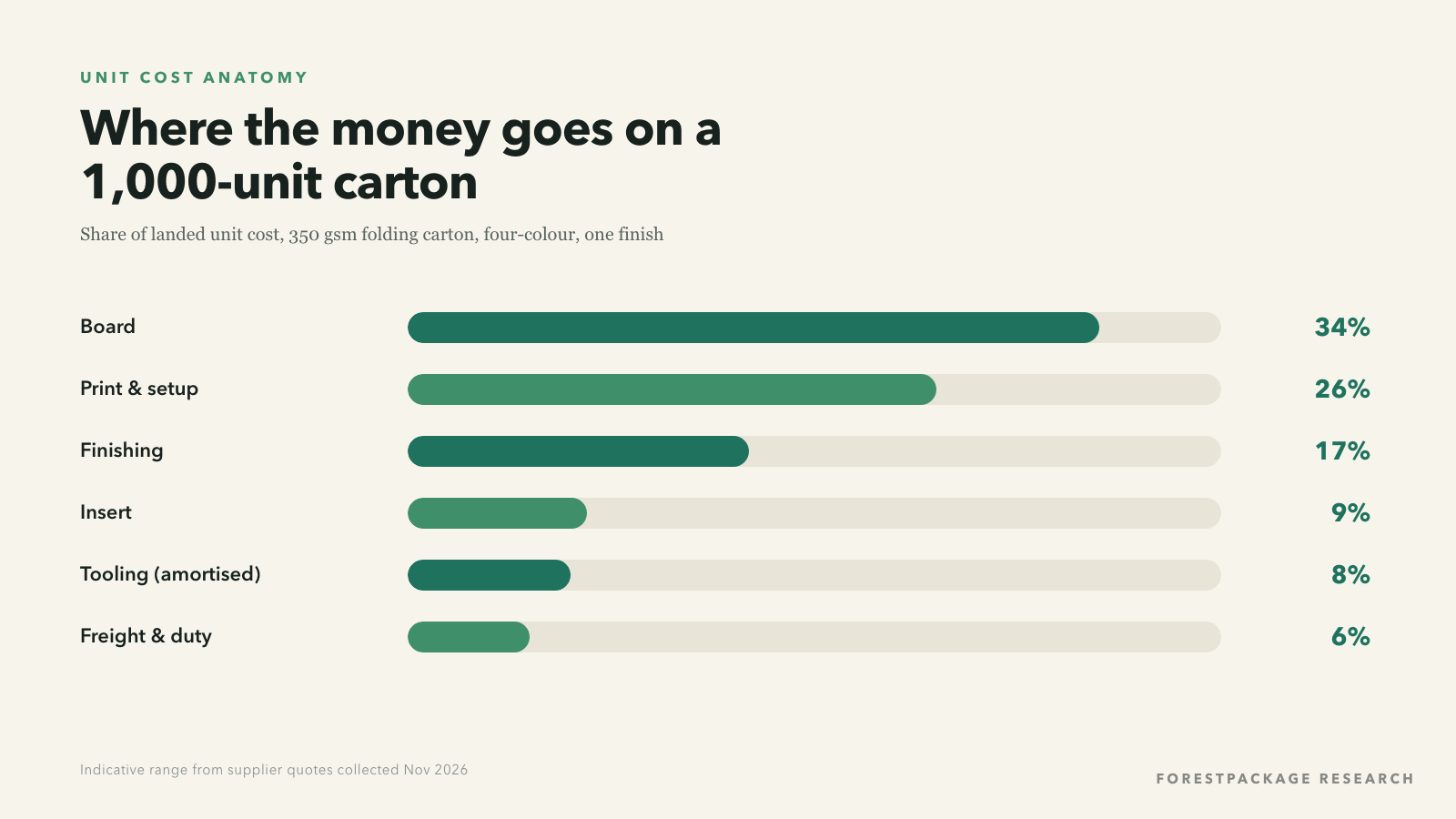
Inserts are quoted separately or, worse, forgotten. A moulded pulp tray, an EVA foam cut-out and a folded corrugated fitment are three different supply chains. The most common quote error we saw in the sample is a box quoted without the insert that the box exists to hold.
Cartons ship flat, which is their quiet superpower: 1,000 cartons occupy a fraction of the volume of 1,000 rigid boxes. Rigid boxes ship assembled and mostly empty, so you pay to move air. On small runs, freight can exceed manufacturing.
The quote is not the price. The quote is a set of assumptions, and you have not seen them yet. Packaging account, 2,400+ likes
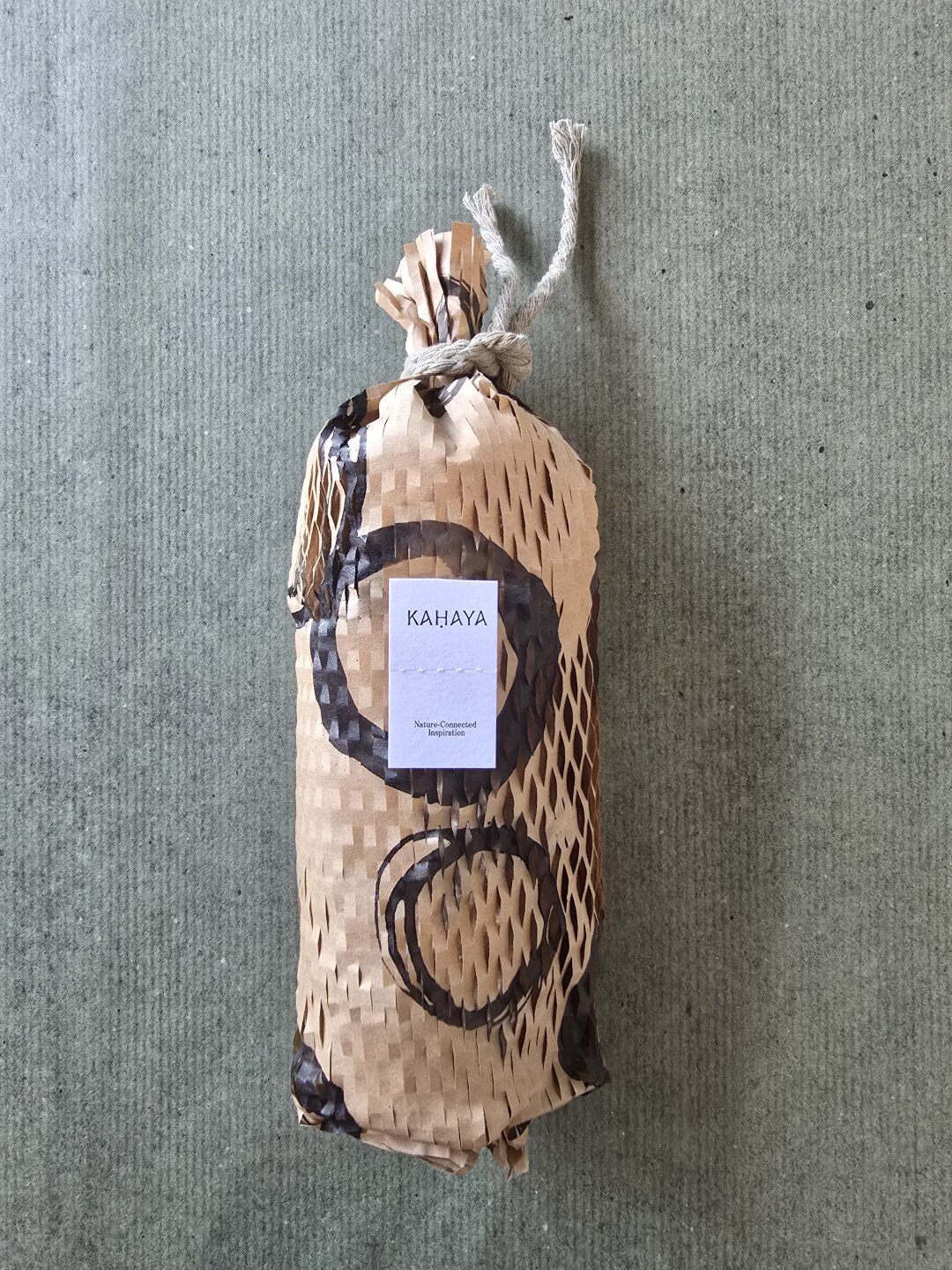
Three structural reasons explain almost every mismatch we saw discussed.
Different objects. One supplier quoted a 300 gsm carton with one-sided print and no finish; another quoted 350 gsm with soft-touch and spot UV. Same dimensions, different product.
Different quantities. Unit price collapses with volume because setup is amortised. A supplier quoting 5,000 units will always look cheaper per box than one quoting 500 — that is arithmetic, not generosity.
Different risk spreads. A factory that has never produced your structure pads the quote. A factory that has produced it a hundred times does not. This is why the third quote is sometimes 25% below the first two, and why the cheapest quote is often the least informed one.
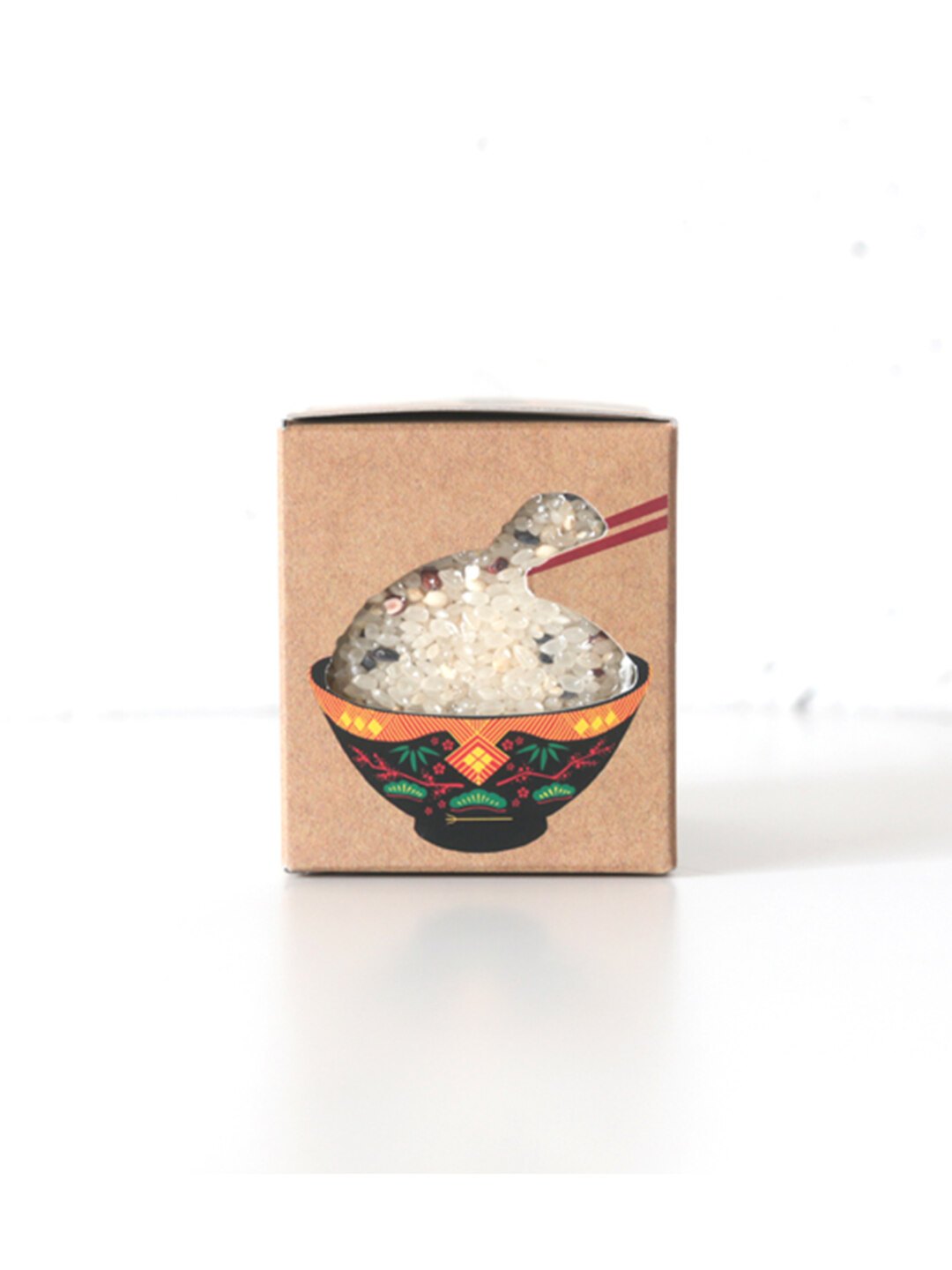
Need this checked against a real structure? ForestPackage quotes custom boxes, inserts and mailers with free structural proofs.
Get a quoteMinimum order quantity is usually described as a supplier policy. In practice it is a machine constraint in disguise: a printing press needs a certain number of sheets to run economically, a die-cutter needs a certain number of impressions to justify setup, and a gluer needs a run long enough to hold registration.
That is why "can you do 100?" has three different true answers:
Knowing which of the three you are being offered changes the conversation. A digital run at 300 units is not a worse box; it is a different box with a different colour profile, and it is often the correct first order.
The expensive mistake is not overpaying by 15% on the first run. It is the run you cannot sell.
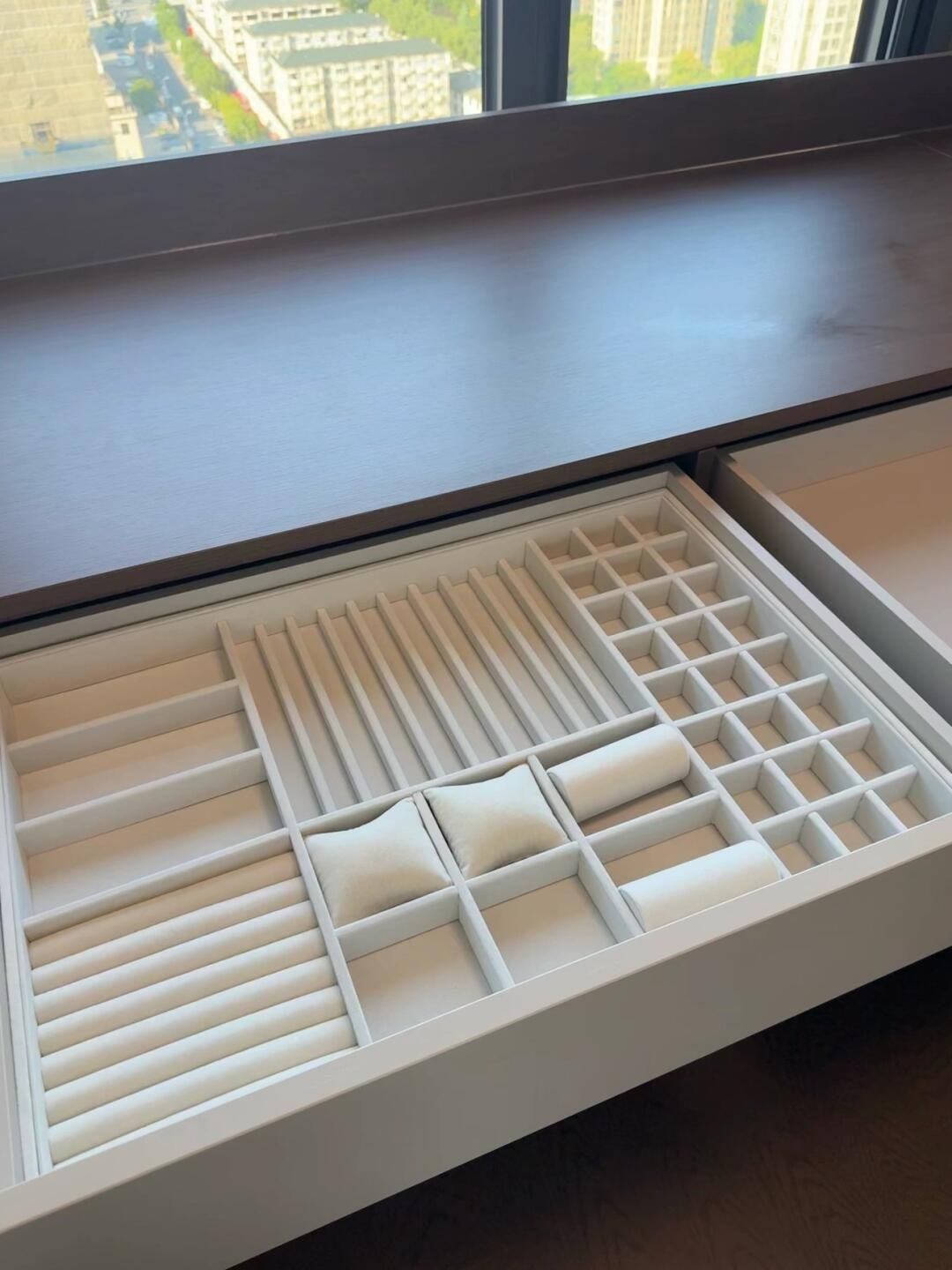
A box that is 2 mm too shallow, an insert that does not clear the lid, a print that reads muddy because the artwork was built in RGB, a barcode that will not scan because the quiet zone was eaten by decoration — each of these converts a full production run into waste. At 1,000 units, a reprint doubles your unit cost for the year.
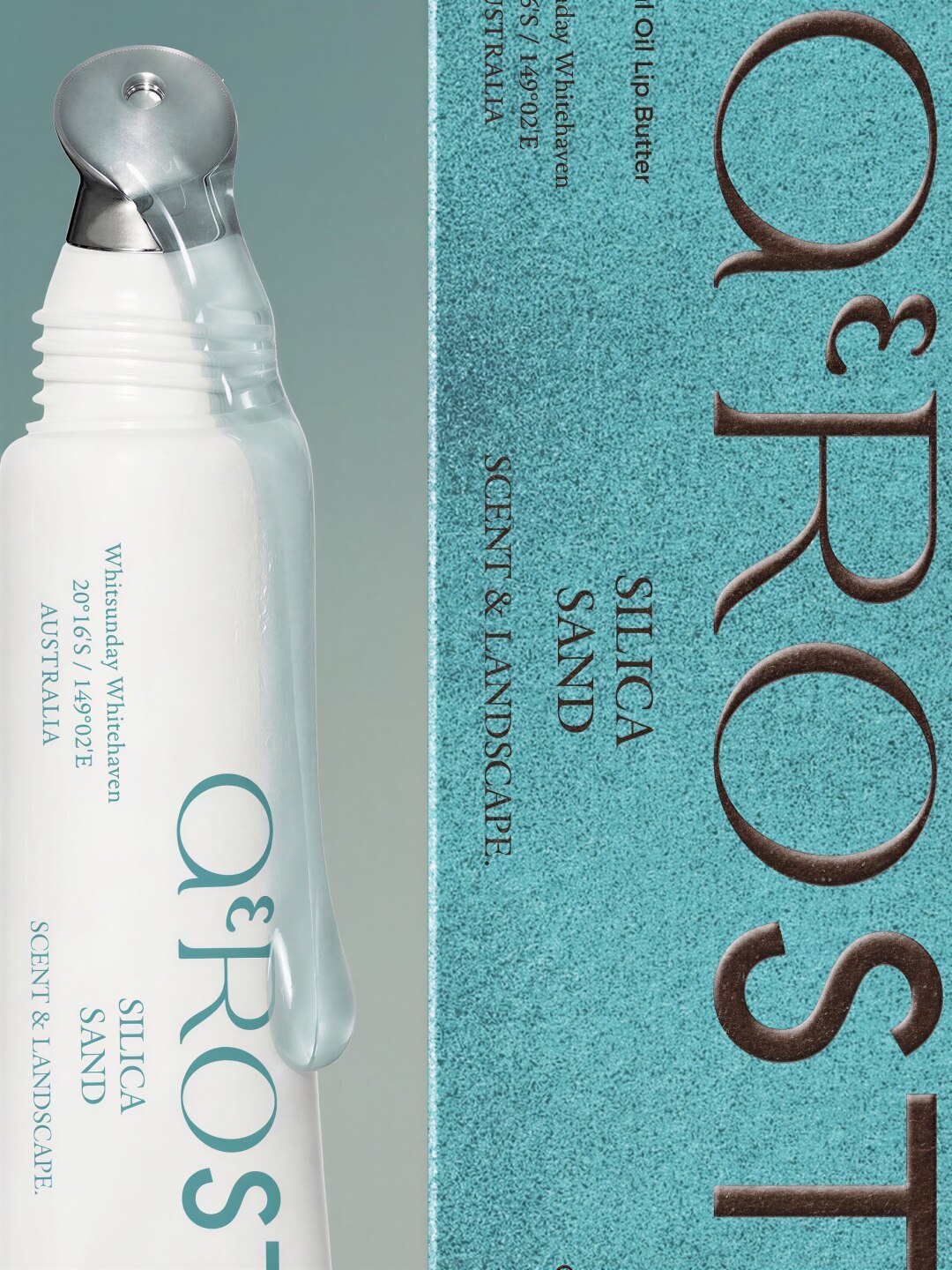
Irregular structures are the nightmare of production. They look incredible in a mockup and then you find out they cannot be glued, or the cost triples. Comment on a design-award post, 156 likes
That comment is the most useful sentence in the entire sample. The gap between a beautiful render and a manufacturable box is where budgets die, and it is almost always discovered after the deposit is paid.
Ranked by how much they move the number, without touching perceived quality:
A quote request that produces a usable answer contains six things: dimensions with tolerances, quantity, board preference (or "recommend one"), print colours and sides, finishes, and the product that goes inside. Suppliers who receive this can quote accurately in a day. Suppliers who receive "a box like this" will quote a guess, and the guess will be wrong in the direction that protects them.
Custom boxes are just too expensive when you are small. I ended up designing stickers and putting them on kraft mailers instead — same shelf presence, a tenth of the commitment.
This kind of pack works as an advertising mockup. In real production it is impractical and the cost is high.
The number at the bottom of a quote is a hypothesis about a set of decisions. The more of those decisions you control before the quote exists, the closer the hypothesis gets to the truth — and the less likely you are to pay twice for the same box.
Because they are rarely the same box. One quote may assume 300 gsm board with one-sided print, another 350 gsm with soft-touch lamination and spot UV. Quantity and the supplier's familiarity with the structure also change the number: a first-time structure carries a risk buffer that a proven one does not.
It depends on the machine, not on policy. Digital presses can run 50–300 units; offset needs roughly 500–1,000 to amortise setup; a library die removes tooling entirely. Ask which press the job will run on and what quantity unlocks the next price break.
No. Heavier board buys stiffness, cleaner creasing and better ink laydown, but it also adds material cost and freight weight. For a carton that ships inside a mailer, 300–350 gsm is usually the sweet spot; for a retail box handled on shelf, 350–400 gsm reads more premium.
Send a size, a quantity and a deadline. You will get a costed answer with a dieline, a material recommendation and a production calendar — not a brochure.
Method. This series reads 377 packaging posts and 896 comments on packaging design, materials and small-batch production, plus the comment threads underneath them. Quotes are translated from Chinese and lightly edited; account names are withheld. Photographs are published by their creators on Xiaohongshu and are used here as illustrative references — clear rights with the creator before any commercial republication.
Written for forestpackage.com — custom boxes, rigid boxes, mailers and inserts, produced in the USA and China.
Approx. 1,445 words · 5 photographs · 1 data figure

Subscribe to our
Enter your email address and enjoy exclusive access to special offers and news.


Irregular structures are a production nightmare. They look incredible in a mockup, then you find out they cannot be glued properly and the cost triples.